

Guide · Updated October 2026
Concrete guides
Straight answers to the questions people ask before, during and after a concrete job.
In short
These guides are written by the Sunshine Coast Concrete Services crew. They cover which concrete finish to choose, why concrete cracks and which cracks are normal, how long new concrete takes to cure, when to re-seal, how thick a driveway should be, and whether old concrete can be resurfaced or should be replaced.
Related: concreting FAQ · finishes compared
Choosing a finish
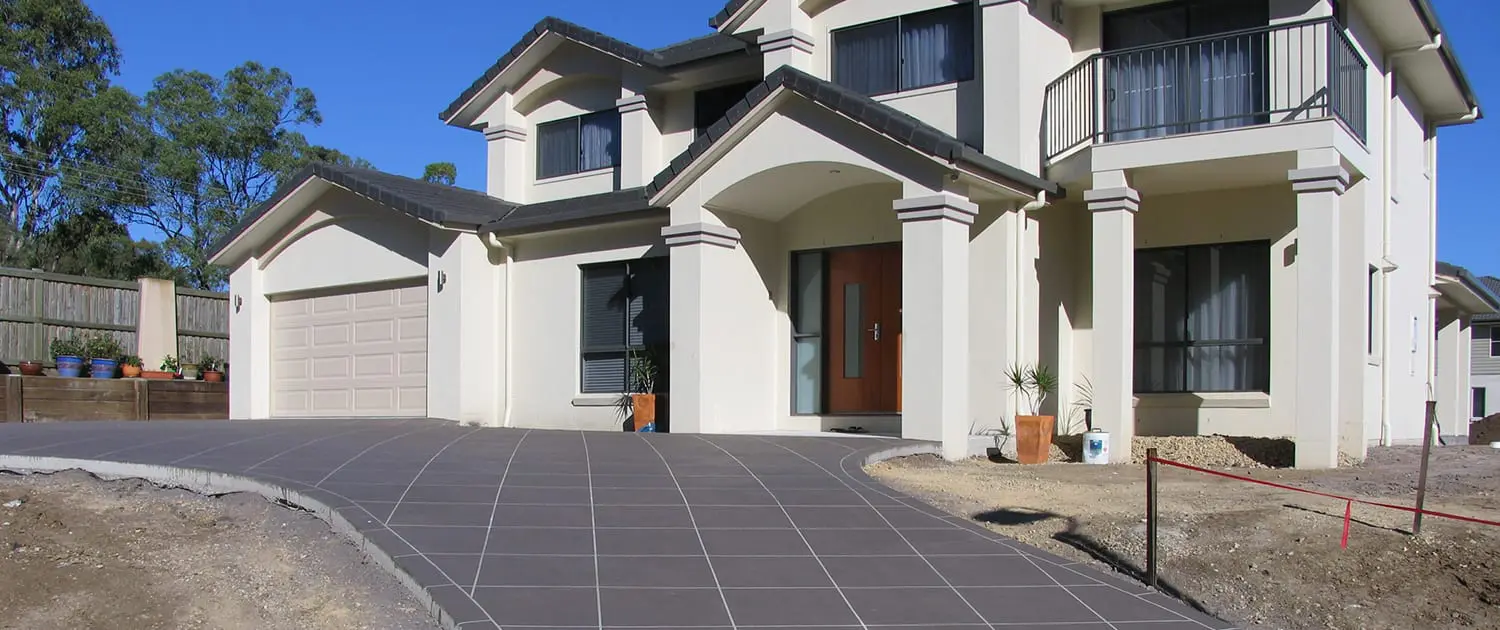
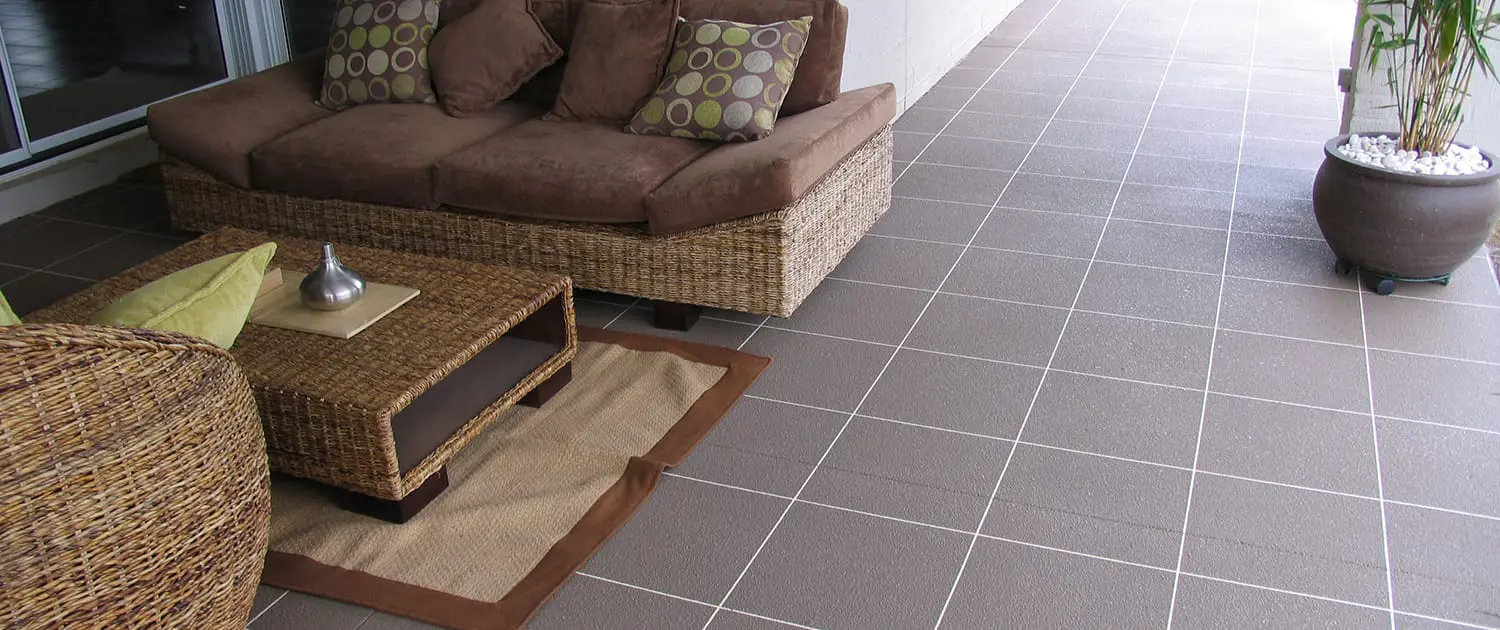
Concrete finishes compared
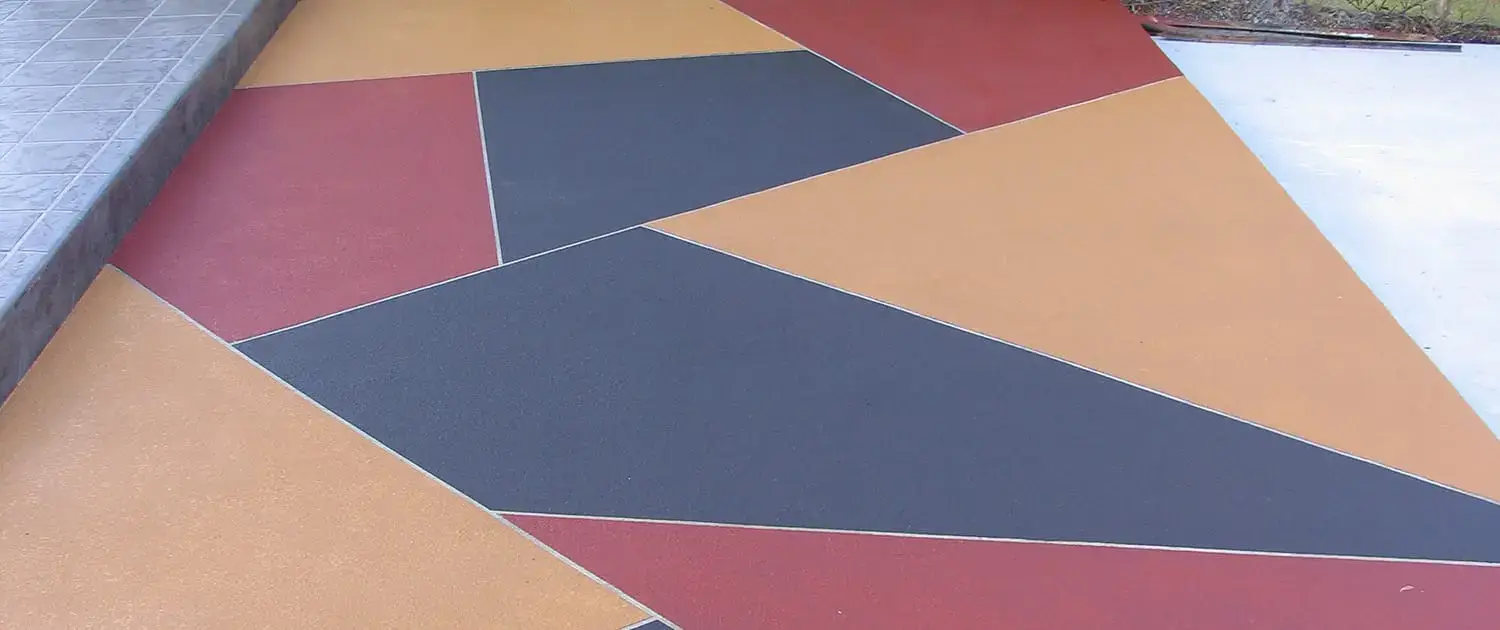
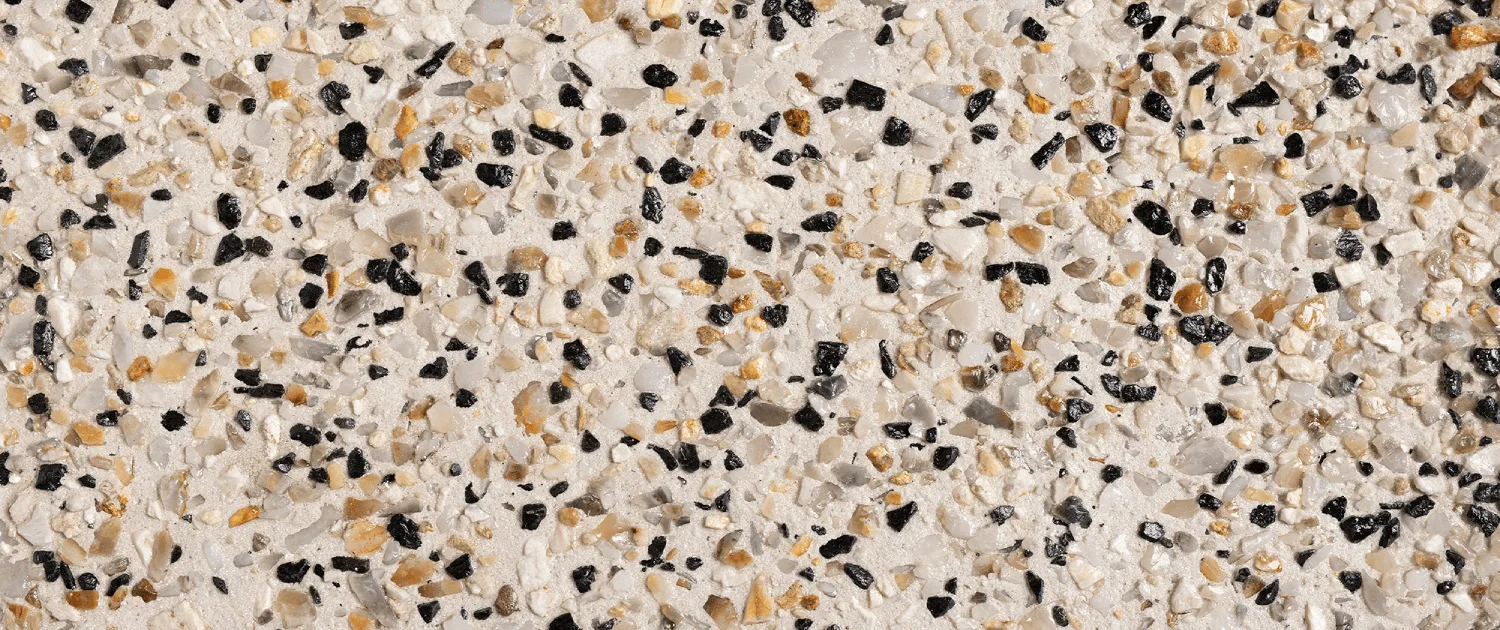
Plain, coloured, exposed aggregate, stencil and stamped side by side on relative cost, grip, upkeep and best use.
Read the guide →Stamped vs stencil concrete
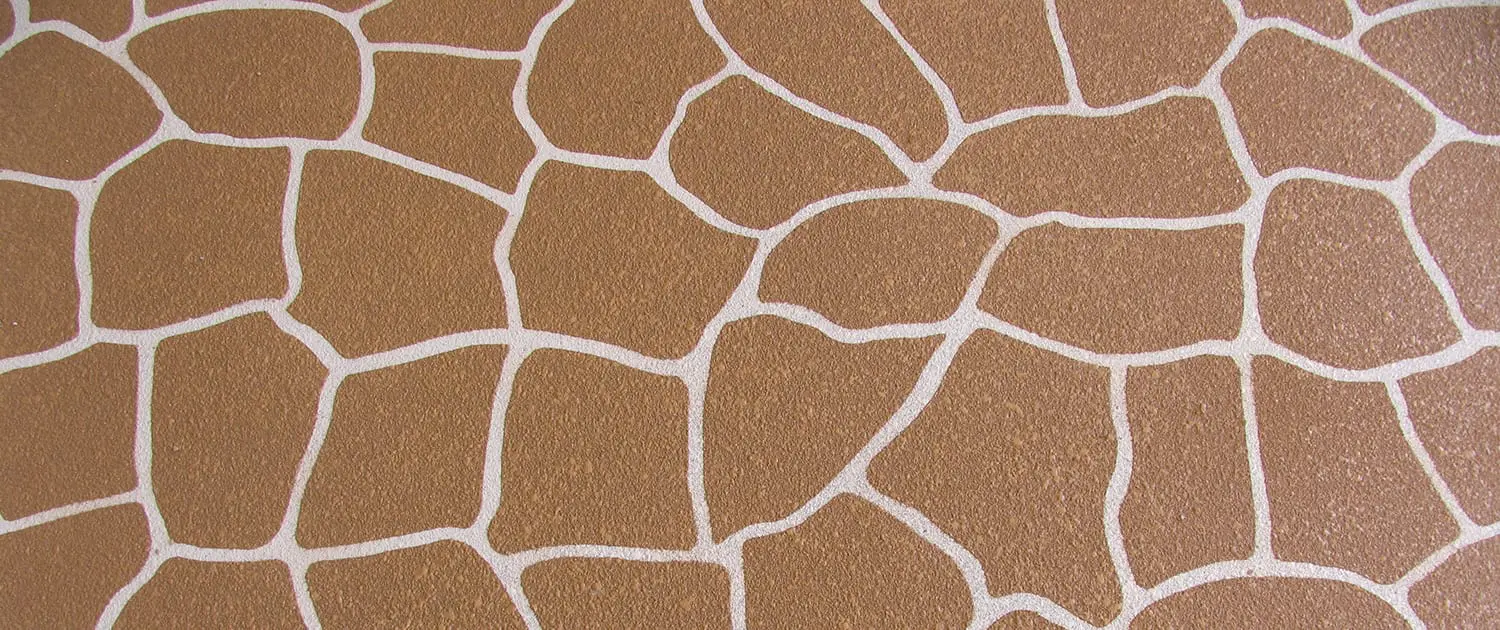
How each is made, how they look and feel underfoot, and which suits driveways, patios and pool areas.
Read the guide →Resurface or replace?
The checks that decide whether old concrete can take a new surface or needs to come out.
Read the guide →Building it right
How thick should a driveway be?
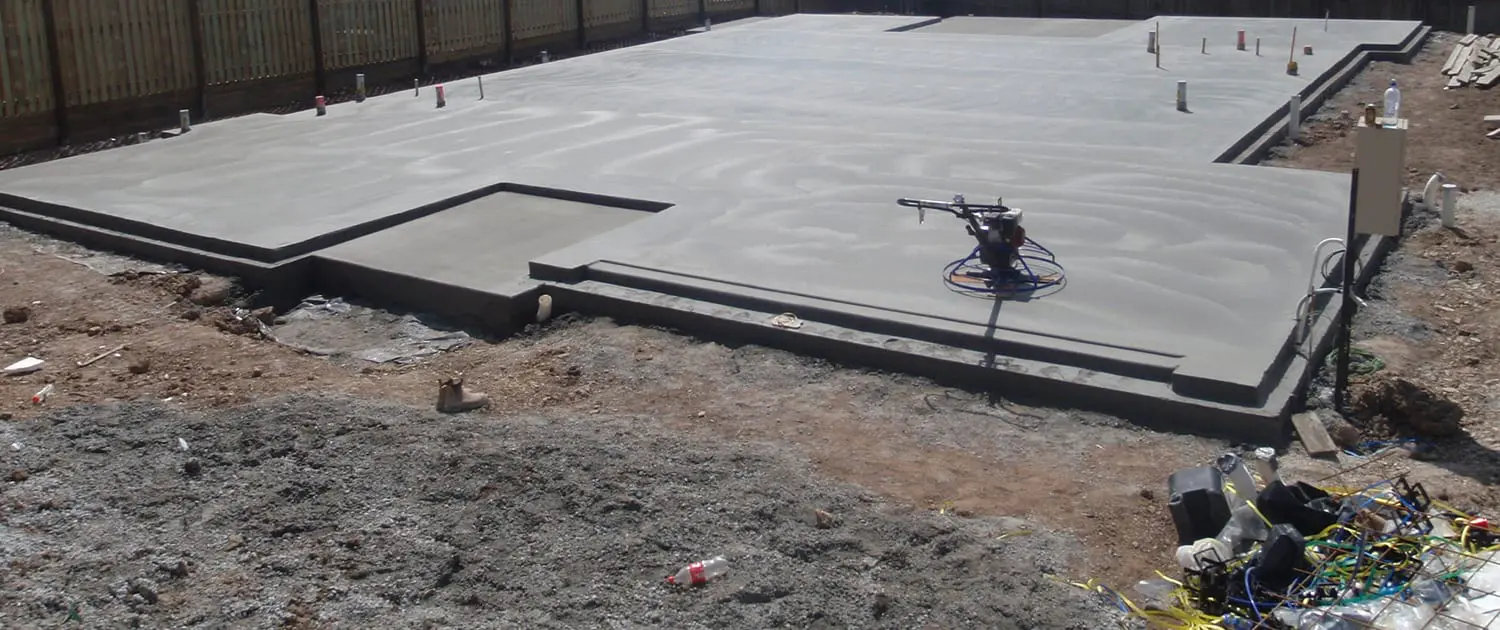
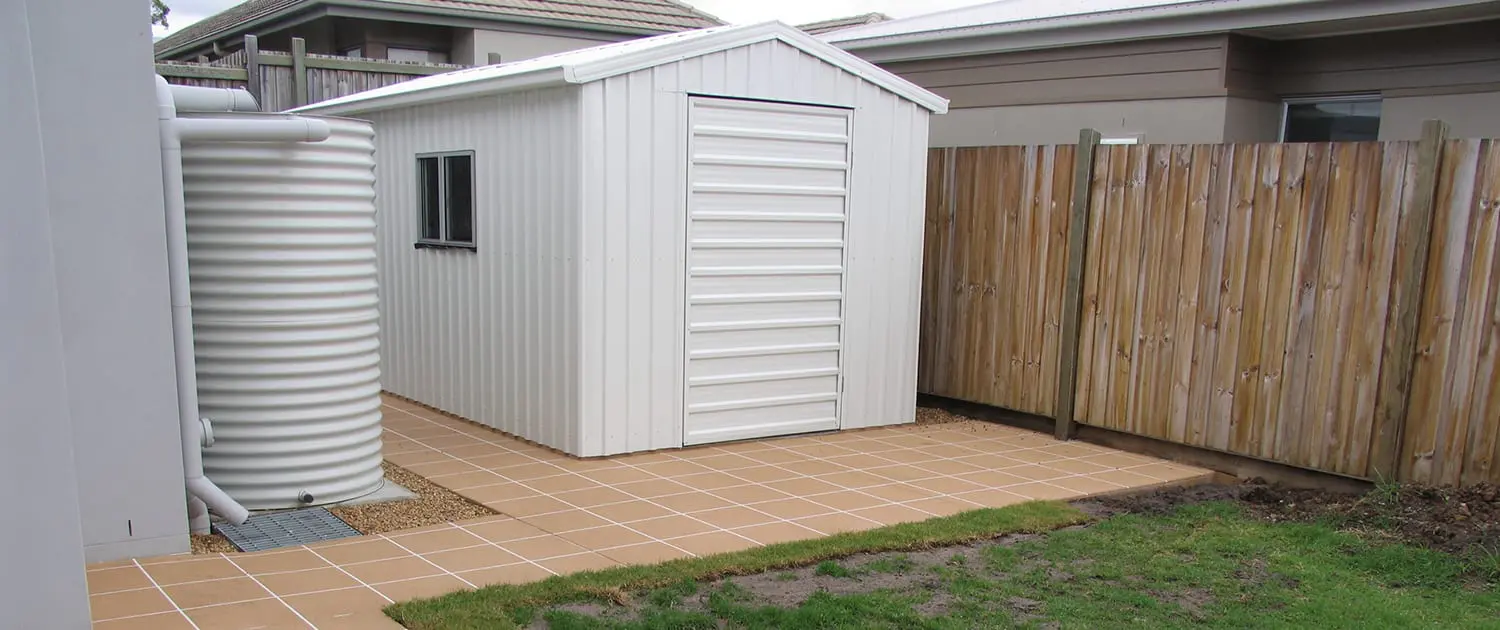
Typical thickness, reinforcement and base for driveways, paths and shed slabs, and when you need more.
Read the guide →Why concrete cracks
The four kinds of cracking, the widths that matter and what actually controls it.
Read the guide →Concrete glossary
The terms on a concrete quote — mesh, bar chairs, N25, control joints, curing — in plain English.
Read the guide →Looking after it
Curing & care
When you can walk and drive on new concrete, and why the first seven days matter most.
Read the guide →Sealing & re-sealing
How often each finish needs sealing, the signs a sealer has worn out and how re-sealing works.
Read the guide →Concreting FAQ
Short answers on cost, timing, colours, slip resistance, cracking and care.
Read the guide →Free quote
Ask a concreter directly
On-site quotes are free anywhere on the Sunshine Coast. Call and you will get a concreter, not a call centre.