

Guide · Updated October 2026
Why concrete cracks
Four different things get called "cracking", and only two of them are a problem. Here is how to tell them apart.
In short
Concrete cracks because it shrinks as it cures — around 0.5 to 0.8 mm per metre — and something has to give. Fine hairline cracks under about 0.3 mm wide are a normal characteristic of the material, not a defect. Cracks wider than roughly 1.5 mm, cracks with displacement between the two sides, or cracks that keep growing indicate a base or structural problem and should be assessed.
Related: slabs poured to engineer’s plans · resurface or replace?
Crack widths at a glance
| Width | What it usually is | Normal? | Action |
|---|---|---|---|
| Under 0.3 mm | Drying shrinkage | Yes — expected | None, or absorb into a resurfacing pattern |
| 0.3–0.8 mm | Shrinkage, or joint spacing too wide | Generally yes | Monitor; fill if water ingress matters |
| 0.8–1.5 mm | Settlement or restraint | Borderline | Investigate the base before coating |
| Over 1.5 mm | Structural, settlement or ground movement | No | Assessment before any repair |
| Any width, displaced | Differential settlement | No | Assessment — do not coat over it |
| Any width, still growing | Active movement | No | Find the cause first |
Widths are a practical field guide used to triage a slab, not a substitute for an engineer’s assessment where the slab is structural.
Four kinds of cracking
Shrinkage cracking — normal
Concrete loses water as it cures and shrinks roughly 0.5 to 0.8 mm per metre as it does. Because a slab is restrained by its base and its edges, that shrinkage has to go somewhere, and it goes into fine cracks. This is why control joints are cut into slabs: they give the shrinkage a planned place to happen so it does not choose its own.
Hairline shrinkage cracks, typically under 0.3 mm wide, are a characteristic of the material. They do not affect the structural performance of a correctly reinforced slab and they are not a defect under any Australian standard.
Plastic shrinkage cracking — usually preventable
These appear within hours of the pour, while the concrete is still plastic, when the surface dries faster than the body of the slab. Hot, windy, low-humidity days are the cause — which on the Sunshine Coast means late spring and summer afternoons. They look like short, random, roughly parallel cracks in the surface.
Prevention is about scheduling and curing: pouring earlier in the day, using an evaporation retarder, and covering or wet-curing the slab immediately after finishing. This is a workmanship issue, not a material one.
Settlement cracking — a base problem
If the base under the slab was not compacted properly, or if uncontrolled fill, soft spots or tree roots sit beneath it, the slab settles unevenly and cracks in response. These cracks are usually wider than shrinkage cracks, often stepped or displaced, and they tend to keep moving.
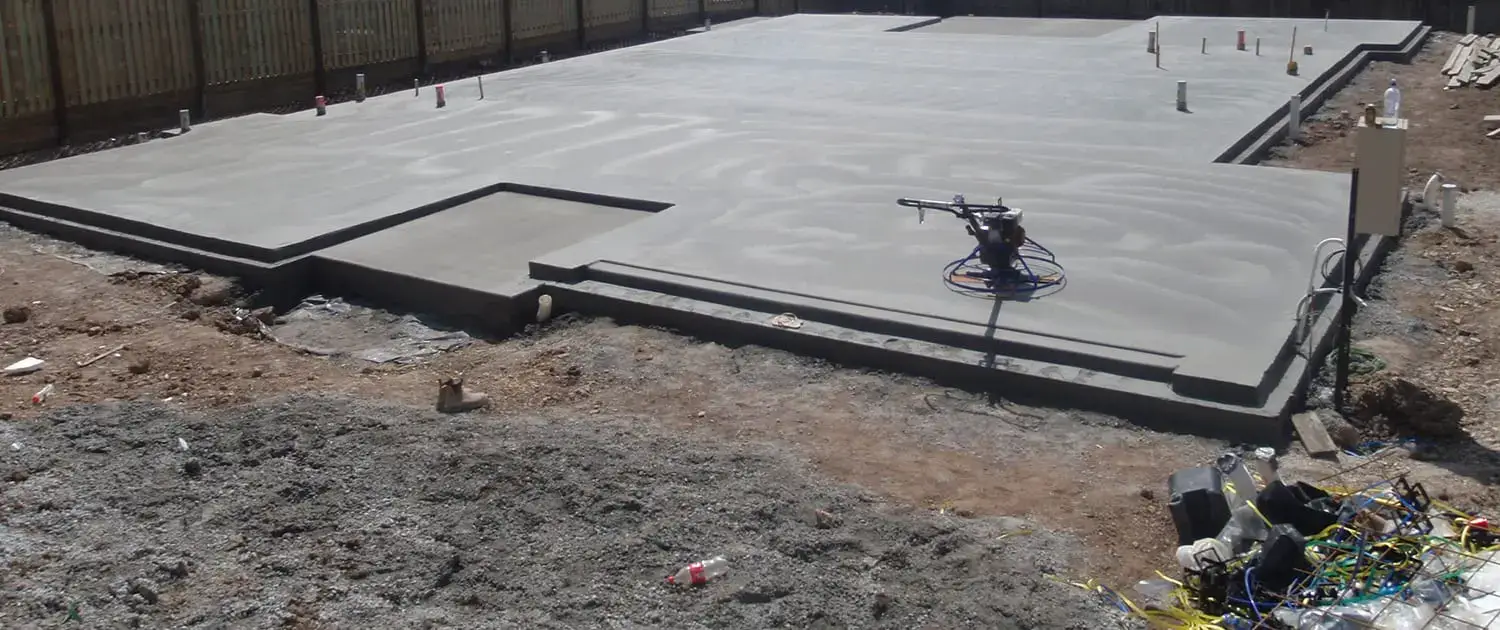
This is the failure mode worth taking seriously, and it is decided before the pour — in excavation and compaction. It cannot be fixed by a decorative coating on top.
Structural cracking — get it looked at
Cracks wider than about 1.5 mm, cracks that go right through the slab, cracks with vertical displacement between the two sides, or cracks that visibly grow over weeks all indicate something structural: inadequate reinforcement, loads beyond the slab design, or ground movement. Reactive clay soils, common in parts of the hinterland, make this more likely where slab design did not account for them.
These need assessment rather than patching. We will tell you honestly at a quote if that is what we are looking at.
What controls it
Base preparation and compaction. Reinforcement sized to the actual load, positioned correctly on chairs rather than pushed to the bottom. Control joints at sensible spacing — as a rule of thumb, no more than 24 to 30 times the slab thickness apart, and in panels closer to square than long and thin. Correct water content in the mix. And curing: keeping moisture in the slab for the first seven days matters more than almost anything else.
Slab thickness alone does not prevent cracking. A thick slab with no joints and a poor base will crack worse than a thin one done properly.
If you already have cracks
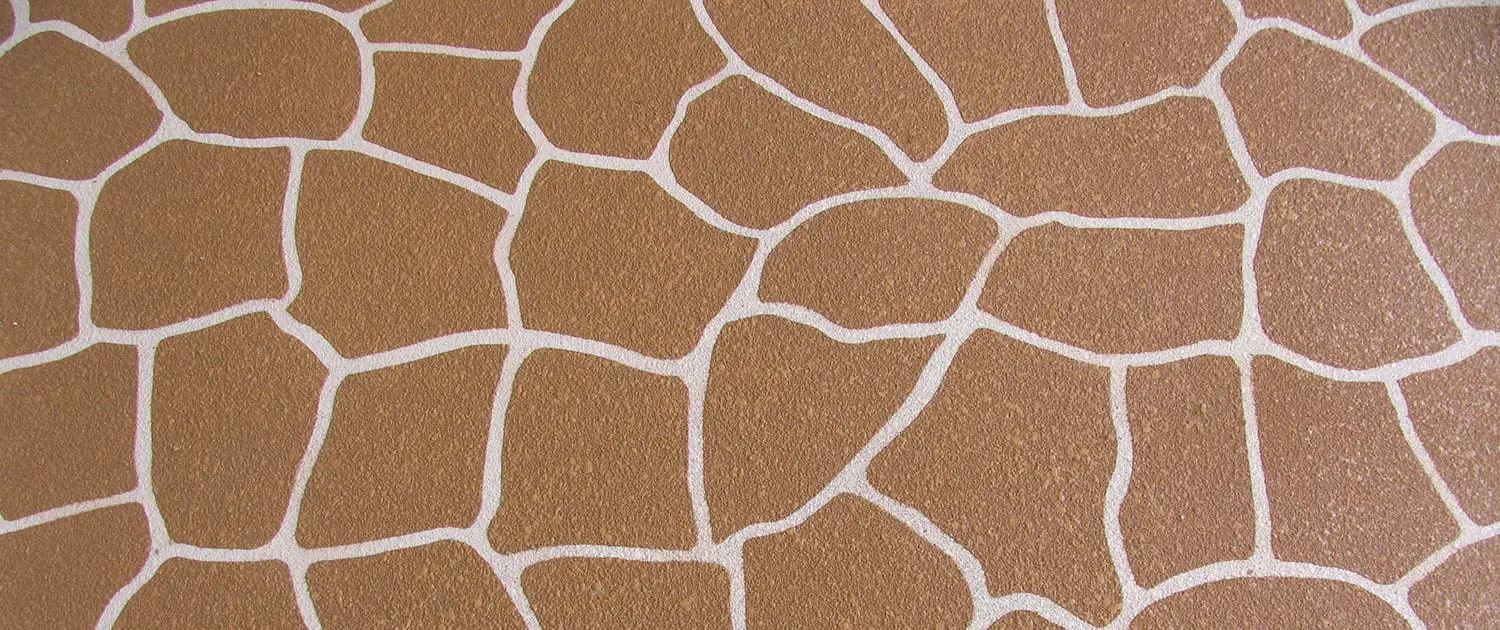
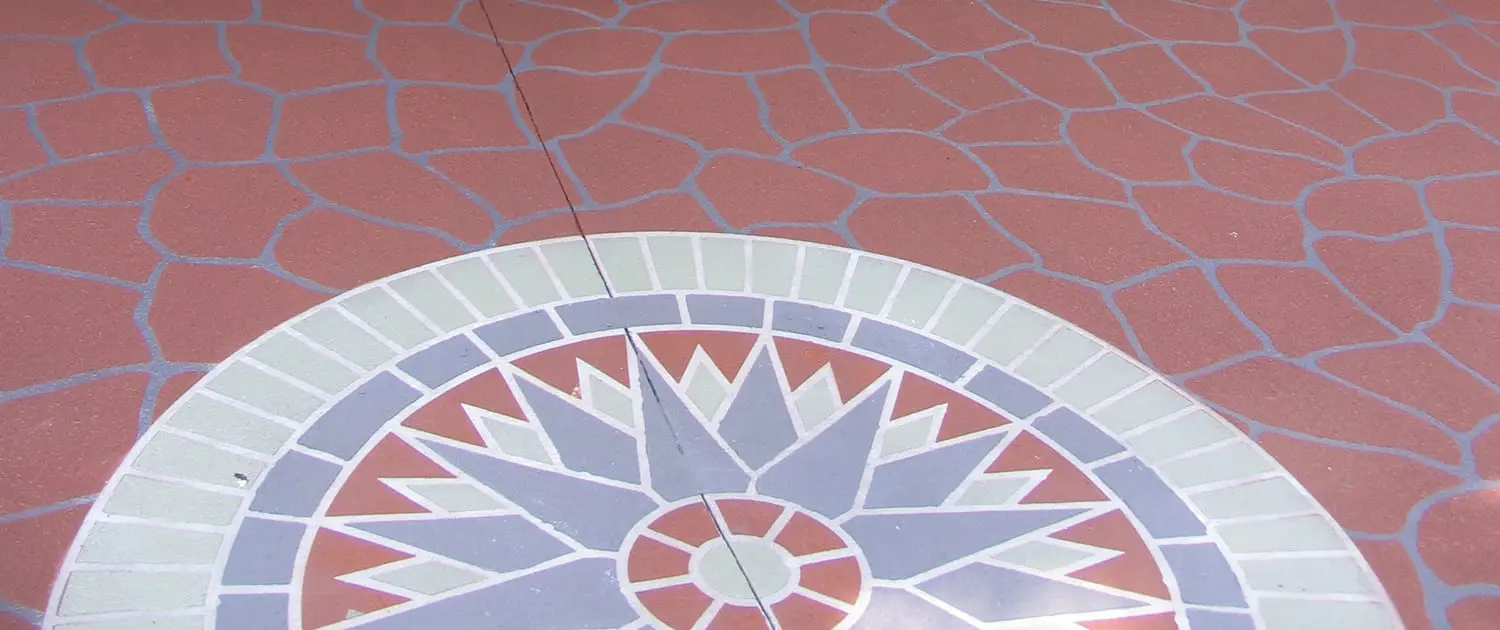
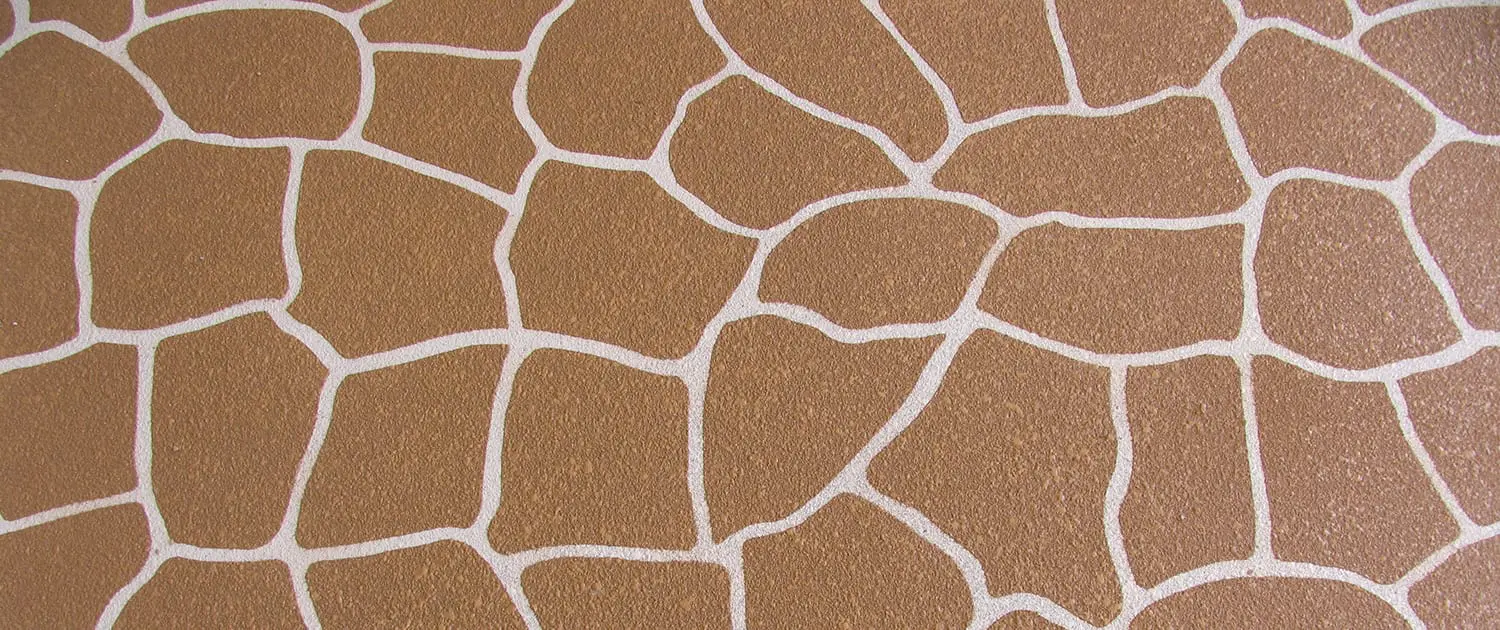
Fine hairline cracks in an otherwise sound slab are usually best left alone, or cut, filled and absorbed into a decorative resurfacing finish — a stencil or flagstone pattern hides them convincingly because the pattern reads as joints. Wider or moving cracks need the cause addressed first; coating over active movement just cracks the coating too.
If you are not sure which sort you have, send us a photo with something for scale next to it. See also concrete resurfacing and our concreting FAQ.
About this guide
Written by the Sunshine Coast Concrete Services crew, led by owner Nathan Carter (20+ years in concreting), from work on Sunshine Coast driveways, slabs and resurfacing jobs. Reviewed October 2026. Figures are general field guidance; where a slab is structural, your engineer’s design takes precedence.
Free quote
Get a crack assessed, free
On-site quotes are free anywhere on the Sunshine Coast. Call and you will get a concreter, not a call centre.