
Sunshine Coast Concrete Services 0404 859 045

Questions & answers

Concreting FAQ

Costs, curing times, colour matching, cracking and care — the things people ask us before they book a job, answered plainly.

Straight answers

The questions we get asked most often, answered the way we would answer them on the phone. Anything not covered here, just call.

Call 0404 859 045
01

How much does concreting cost on the Sunshine Coast?

Cost depends on area, access, how much preparation the site needs and which finish you choose. Plain grey concrete is the lowest cost per square metre; stencil, stamped and decorative resurfacing sit above it. We quote on site for free and put the price in writing, so you are never working off a per-metre guess.

02

How long before I can walk or drive on new concrete?

As a general guide, foot traffic after 24 to 48 hours, light vehicles at around 7 days, and heavy vehicles at 28 days. Curing is affected by weather, so we give you exact times for your pour rather than a generic number.

03

Should I resurface my existing concrete or replace it?

If the existing slab is structurally sound, resurfacing is almost always better value than demolition and a re-pour, and it hides old repairs and joins. If the slab has failed, we will tell you at the quote instead of coating over a problem.

04

Can you match a colour to my house?

Yes. We bring the physical colour chart and pattern samples to the quote so you can hold them against your render, roof, paving and pool coping in natural light before you commit.

05

Do you work with owner-builders?

Yes, on both slabs and driveways. We are happy to go through the engineer’s drawings with you so you understand exactly what is being poured.

06

Are you licensed and insured?

Yes. We are fully licensed concreting contractors and carry current insurance. We can provide those details before work starts.

07

Which areas do you service?

All 103 suburbs of the Sunshine Coast Region, from Beerwah and Caloundra in the south to Noosa in the north and west to Maleny and the Blackall Range. If you are not sure whether you are in range, call and ask.

08

Is decorative concrete slippery when wet?

Sealers can be specified with a non-slip additive, which we recommend for pool surrounds, steps and any area that gets wet. Textured stamped finishes also provide grip through their profile.

09

How do I look after decorative concrete?

Hose it down regularly, use a mild detergent for marks, and re-seal every few years depending on sun and traffic exposure. We leave you with a care and re-seal schedule for the finish you chose.

10

Will my concrete crack?

Concrete is designed to shrink as it cures, which is why control joints are cut into it. Fine hairline shrinkage cracking is a normal characteristic of the material rather than a defect. Correct base preparation, reinforcement and joint placement are what keep it minor and predictable, and that is where the care goes in on our jobs.

11

How long does a typical job take?

A standard residential driveway is usually 2 to 4 days on site across preparation, pour and finishing, plus curing time before use. Slabs vary with size and engineering requirements.

12

Do you remove the old concrete?

Yes. Excavation and disposal of existing concrete can be included in your quote.

13

Stamped or stencil concrete — which lasts longer?

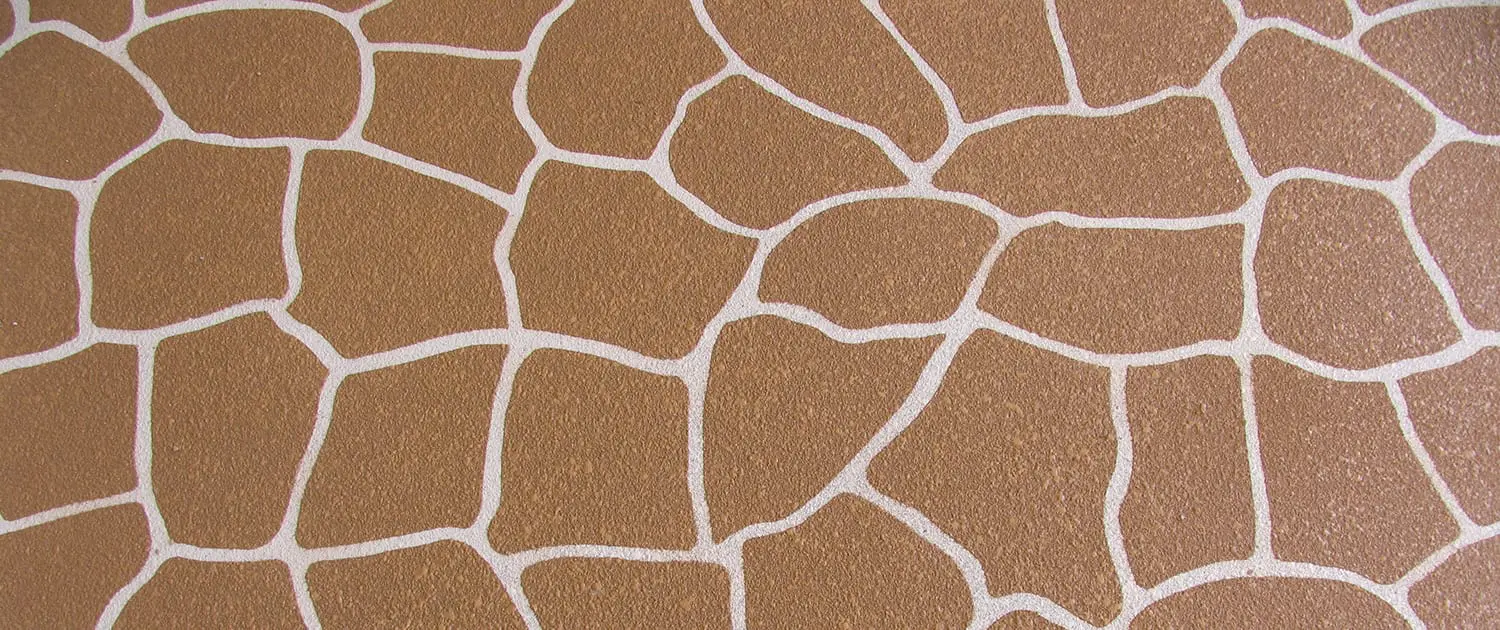
Both are sealed decorative surfaces on one continuous slab, so the concrete itself lasts as long as plain concrete. What wears is the sealer and the surface colour, and both finishes need re-sealing every two to five years. Stencil is flatter and easier to sweep; stamped has more texture and hides wear well. See stamped vs stencil compared.

14

Is exposed aggregate slippery when wet?

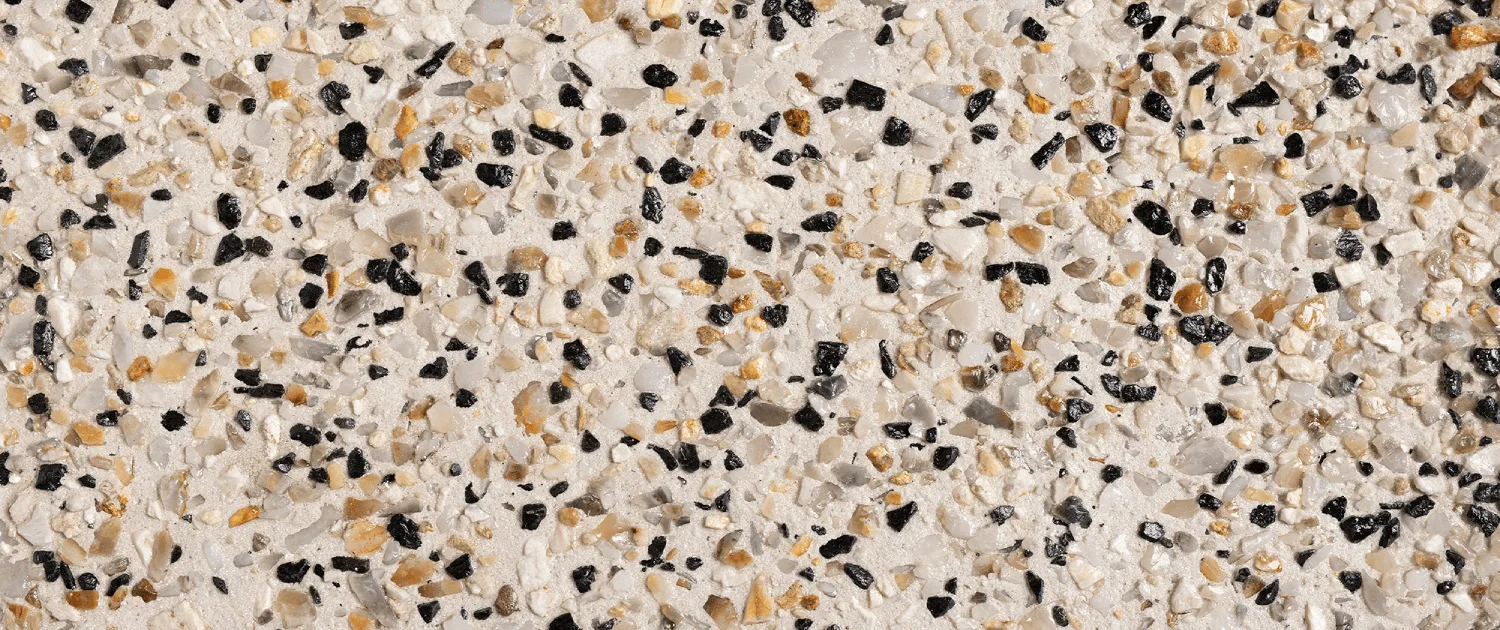
Exposed aggregate is one of the grippier finishes because the exposed stone gives the surface real texture. The sealer makes the difference: a high-gloss sealer can reduce grip, so for pool surrounds, steps and slopes we use a sealer with a non-slip additive. See exposed aggregate.

15

Does coloured concrete fade in the Queensland sun?

Iron-oxide pigments are lightfast, so the colour in the concrete is stable. What dulls over time is the sealer on top, plus surface wear and white salt deposits (efflorescence). Cleaning and re-sealing brings most coloured concrete back. See how often to re-seal.

16

Can you pour concrete in the wet season?

Yes, between rain. Rain on a fresh surface damages the finish, so we watch the forecast and reschedule rather than pour into rain. In summer heat the bigger risk is the slab drying too fast, which is why curing in the first seven days matters. See curing and care.

17

How thick should a concrete driveway be?

A residential driveway for cars is commonly 100 mm thick with steel reinforcing mesh, laid on a compacted base. Driveways that take heavier vehicles, such as caravans, boats or delivery trucks, need more thickness and heavier reinforcement. Your quote states the thickness and mesh for your job. See driveway thickness guide.

Still deciding?

Get a free quote with samples in hand

Call now0404 859 045 OnlineContact us