

Guide · Updated October 2026
Sealing & re-sealing concrete
Sealer is what keeps decorative concrete looking new. It wears out long before the concrete does.
In short
Decorative concrete — coloured, stencil, stamped and exposed aggregate — should be sealed after curing and re-sealed about every two to five years, sooner in full sun, around pools or under heavy traffic. Plain concrete does not need sealing but resists stains better when sealed. Water soaking in instead of beading, chalky colour and stains that will not lift are the signs it is due.
Related: curing & care · exposed aggregate · pool surrounds
By finish
| Finish | Seal it? | Re-seal | Why |
|---|---|---|---|
| Plain | Optional | If sealed, every few years | Resists oil and stains; easier to clean |
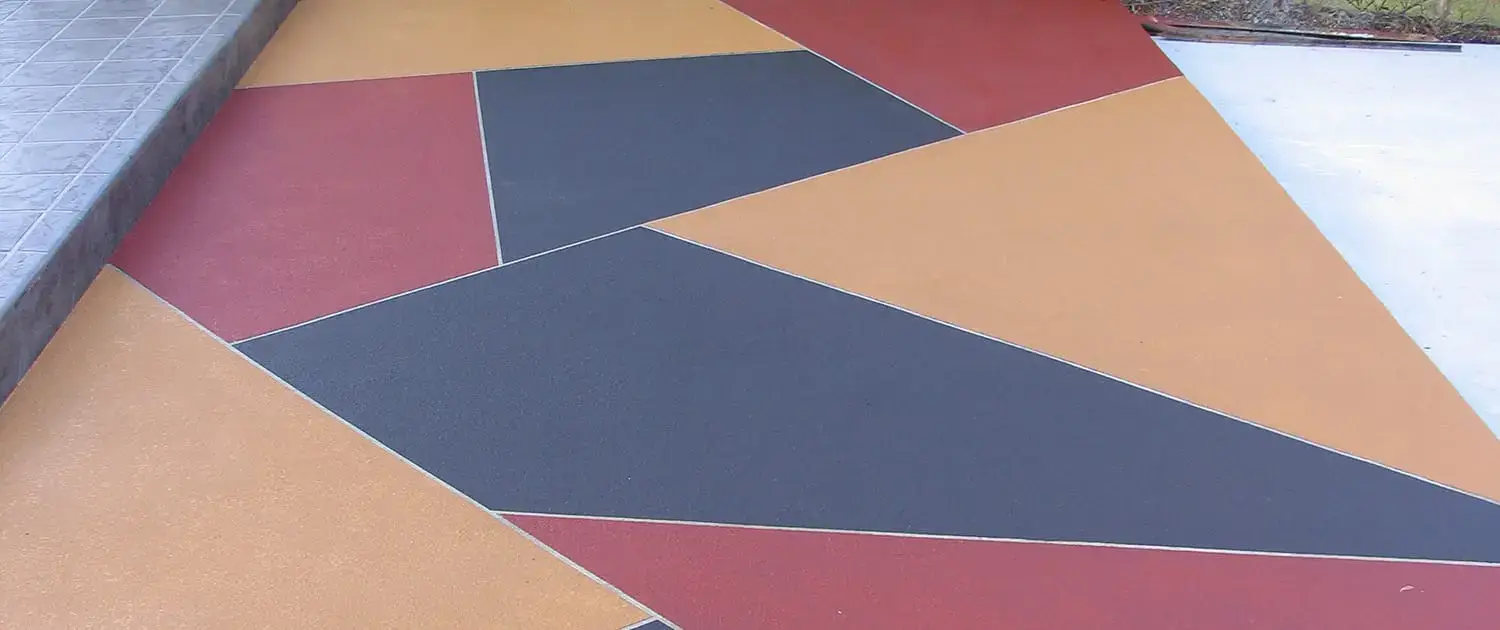
| Coloured | Yes | 2–5 years | Keeps colour rich and protects the surface |
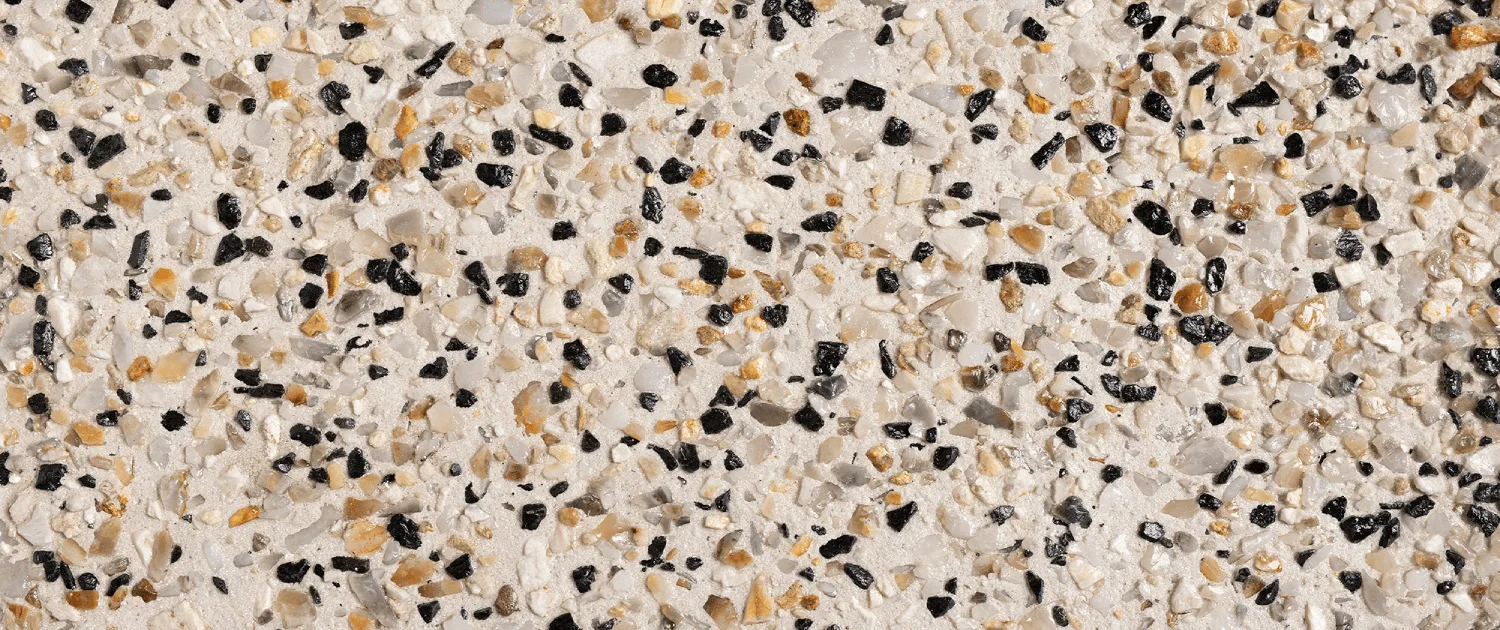
| Exposed aggregate | Yes | 2–5 years | Locks in the stone and brings out its colour |
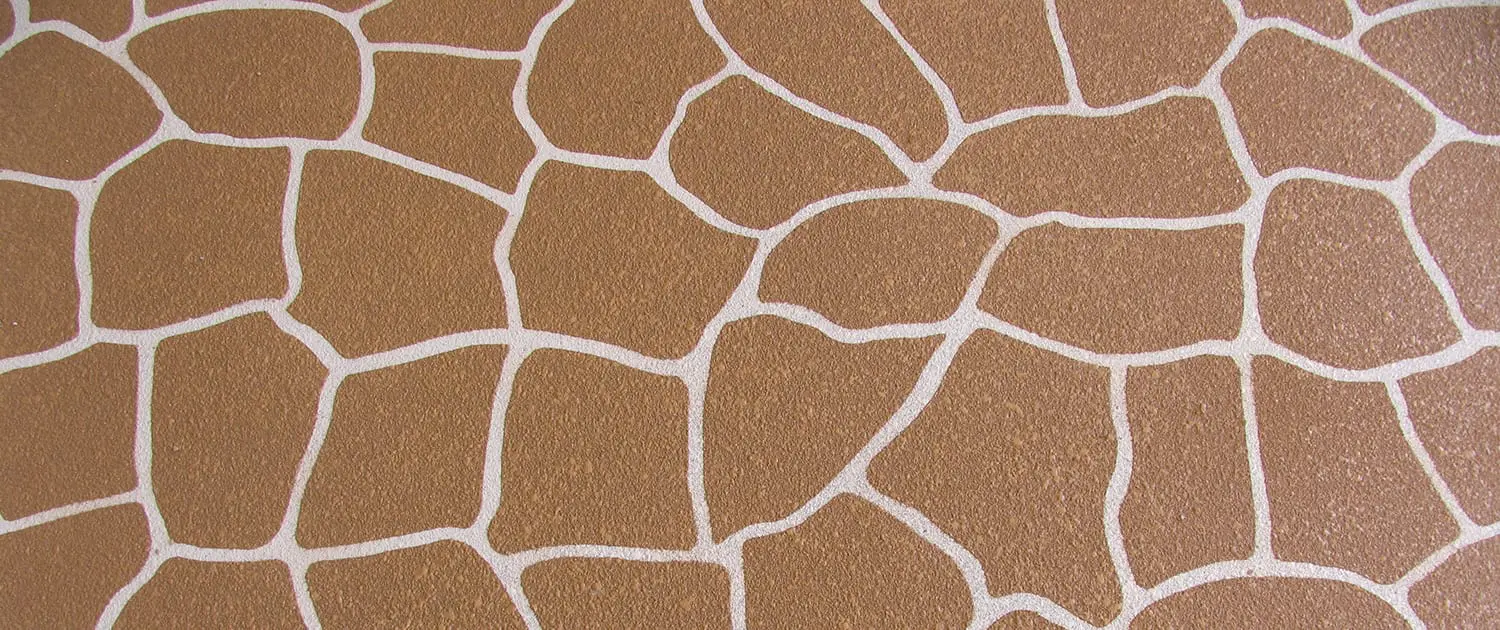
| Stencil | Yes | 2–5 years | Protects the colour hardener and grout lines |
| Stamped | Yes | 2–5 years | Protects colour and texture |
| Pool surrounds (any finish) | Yes, with non-slip additive | Towards the shorter end | Sun, water and pool chemicals wear sealer faster |
Sealing in practice
Signs your sealer has worn out
Splash some water on the surface. If it beads, the sealer is still working. If it darkens the concrete and soaks in, it is due. Other signs: colour that looks chalky or washed out, a patchy sheen, and stains that sink in instead of wiping off. Wear shows first in tyre tracks and walkways.
How re-sealing works
The surface is cleaned and pressure-washed, left to dry fully, and any failed or flaking old sealer is removed. Minor repairs are made, then fresh sealer is applied in thin, even coats. Drying times before foot and vehicle traffic depend on the product and the weather, so follow the times you are given for your job.
Types of sealer
Acrylic sealers are the most common choice for decorative driveways and paths: they enhance colour and give a satin to gloss finish. Penetrating sealers soak in and leave a natural look with no sheen. Polyurethane and epoxy coatings are harder-wearing and suit garage floors. Around pools and on slopes, a non-slip additive goes into the final coat.
Look after it between re-seals
Hose down regularly, clean oil and leaf stains early with a mild detergent, and avoid harsh acids, which etch the surface. See curing & care for the first weeks after a new pour.
About this guide
Written by the Sunshine Coast Concrete Services crew, led by owner Nathan Carter (20+ years in concreting), from work on Sunshine Coast driveways, slabs and resurfacing jobs. Reviewed October 2026. Figures are general field guidance; where a slab is structural, your engineer’s design takes precedence.
Free quote
Ask about re-sealing your concrete
On-site quotes are free anywhere on the Sunshine Coast. Call and you will get a concreter, not a call centre.