

Guide · Updated October 2026
How thick should a driveway be?
Thickness gets the attention, but the base, the reinforcement and the joints decide how a driveway performs.
In short
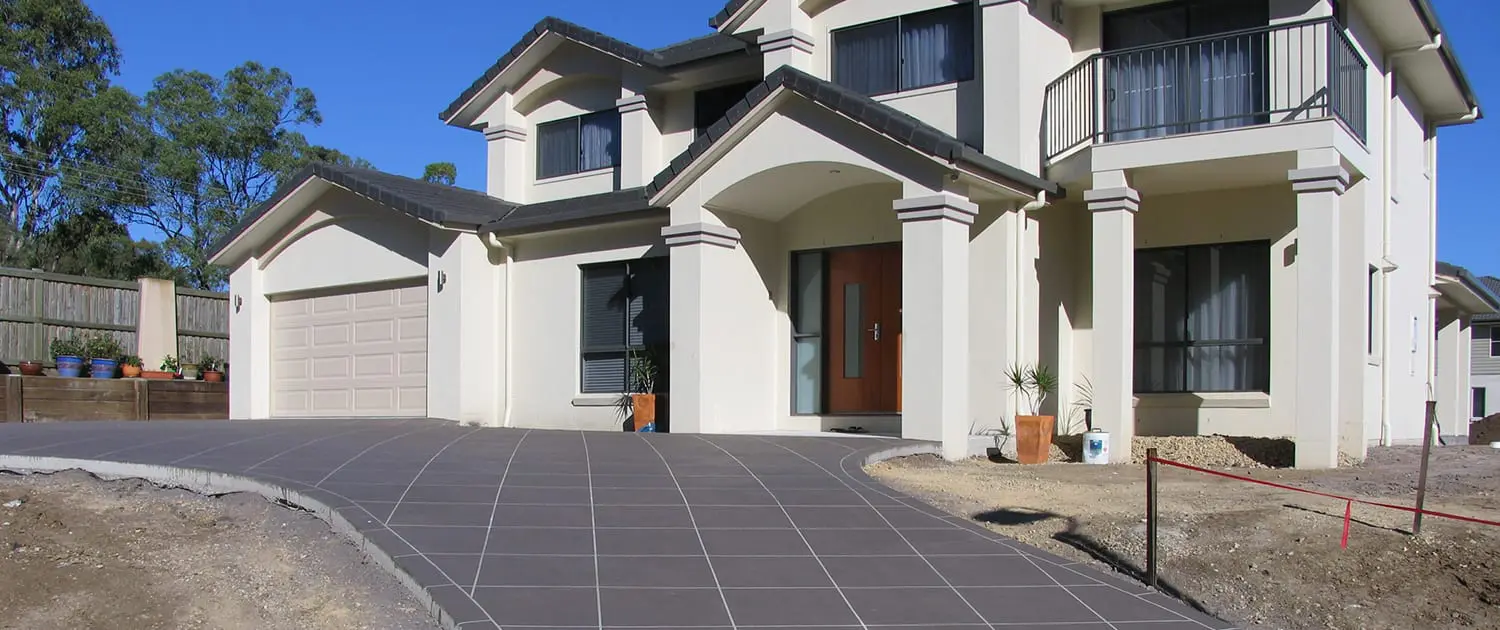
A residential concrete driveway for cars is commonly 100 mm thick, reinforced with steel mesh supported on bar chairs and laid on a compacted base. Driveways that carry caravans, boats, motorhomes or trucks are usually thickened to around 125–150 mm with heavier reinforcement. Thickness alone does not stop cracking: base preparation, control joints and curing matter as much.
Related: concrete driveways · shed slabs · concrete terms explained
Typical specifications
| Use | Typical thickness | Reinforcement | Notes |
|---|---|---|---|
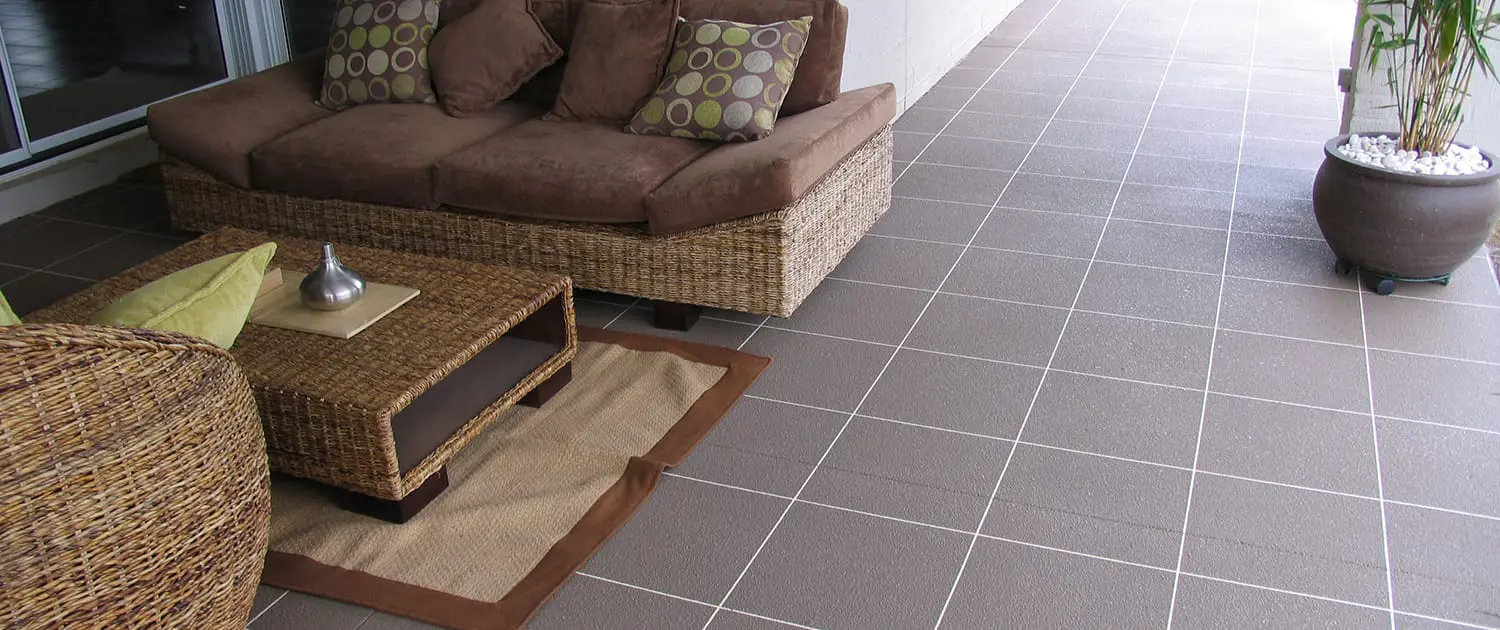
| Paths and patios | 75–100 mm | Light mesh | Foot traffic only |
| Driveway — cars | 100 mm | Mesh such as SL72 on bar chairs | The most common residential spec |
| Driveway — heavier vehicles | 125–150 mm | Heavier mesh such as SL82, or as designed | Caravans, boats, motorhomes, trucks |
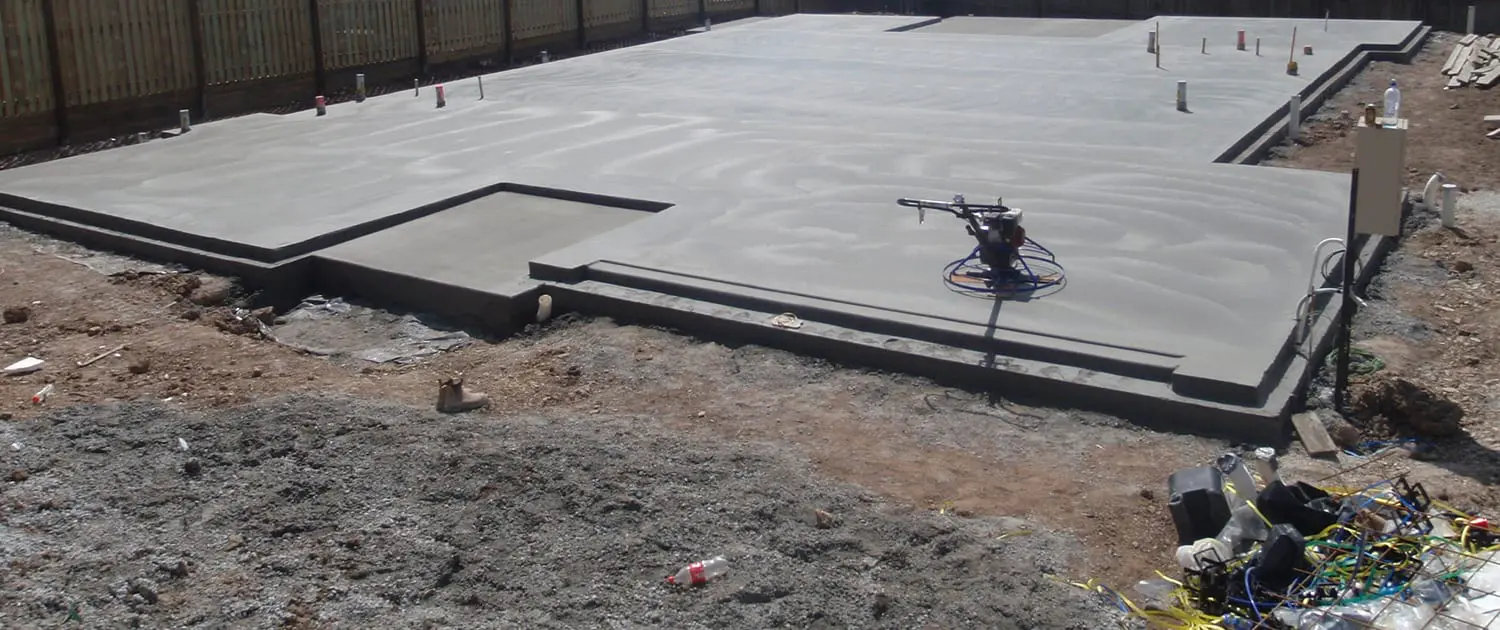
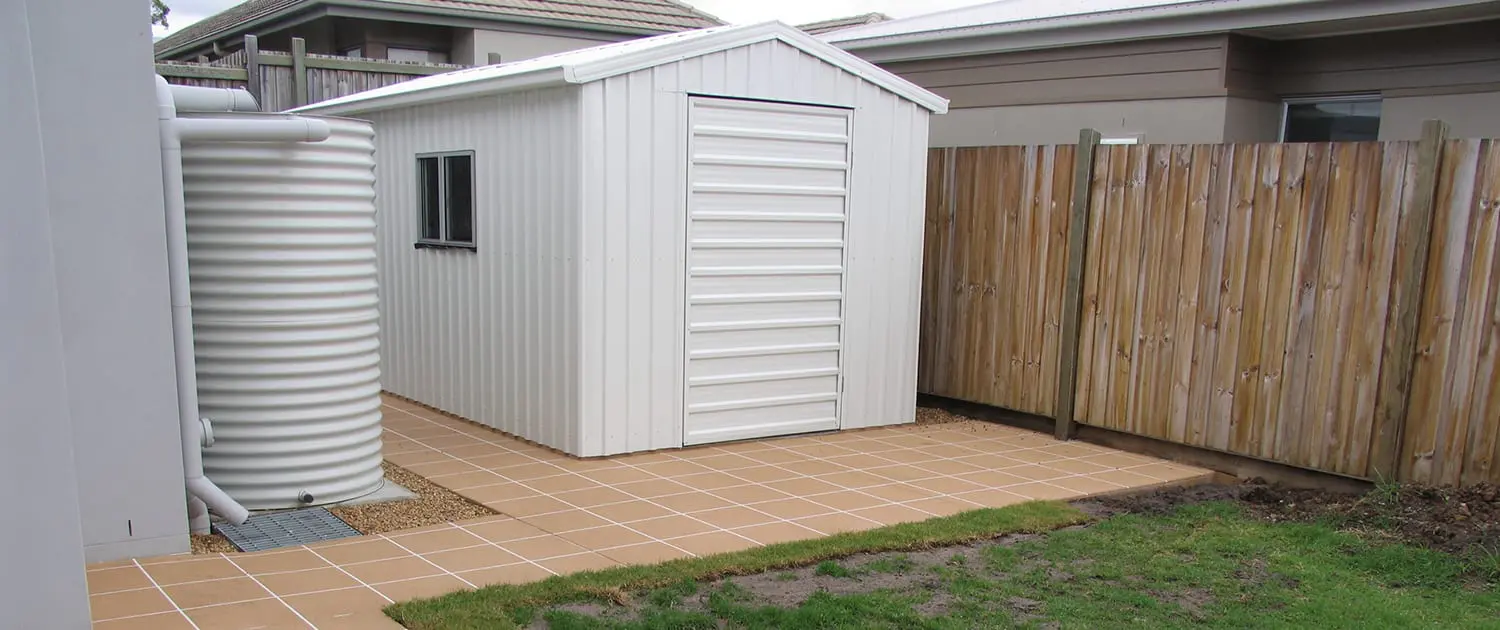
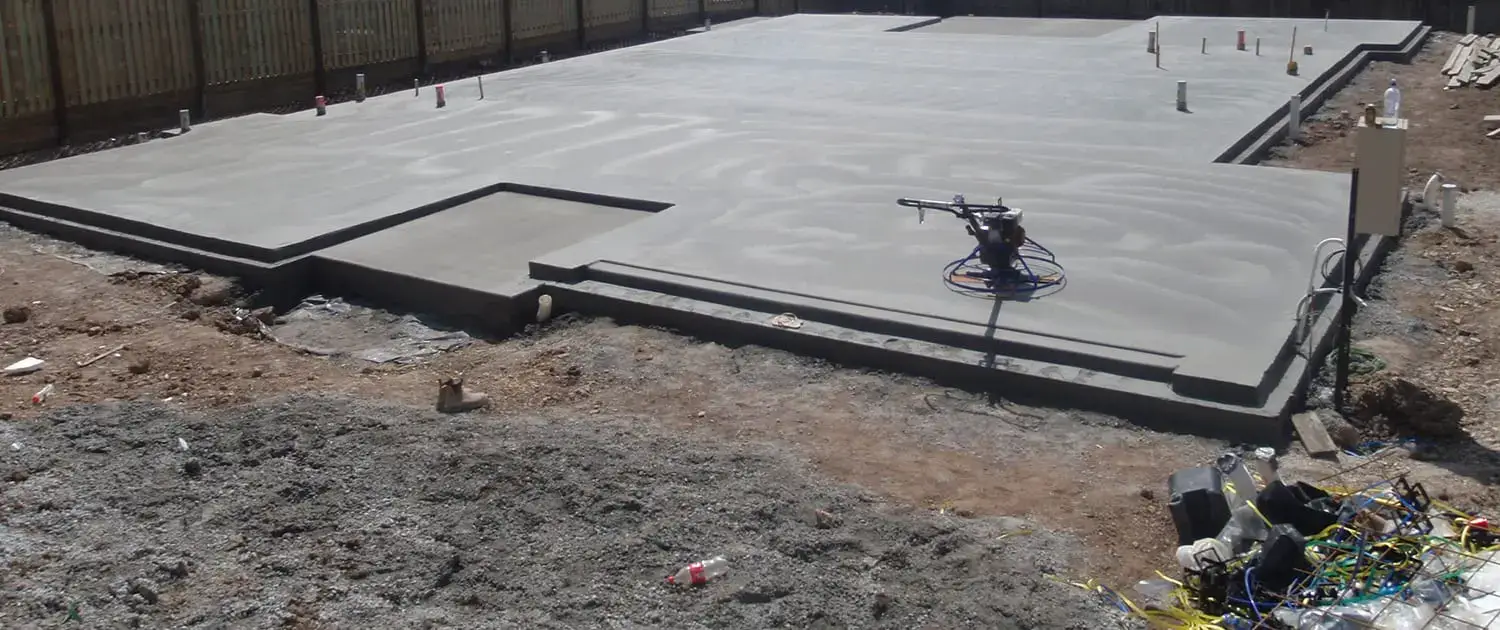
| Shed and garage slabs | Commonly 100 mm with thickened edges | Mesh, plus edge beams | Hold-downs to suit the shed engineering |
| House slabs | As designed by the engineer | As designed | Set by site classification under AS 2870 |
These are typical figures, not a design. Your quote should state the thickness, reinforcement and concrete grade for your job, and structural slabs follow the engineer’s drawings.
What makes the difference
Why the base matters more than an extra 25 mm
A driveway is only as good as what it sits on. Soft spots, poor compaction or a base that holds water will crack a thick slab. A well-compacted crushed-rock base under a 100 mm slab outperforms a thicker slab on poor ground. See why concrete cracks.
Reinforcement has to sit in the right place
Mesh does its job only when it sits within the slab, not on the ground. Bar chairs hold it at the right height during the pour. Ask how your mesh will be supported.
Thickened edges and crossovers
Edges, the garage threshold and the crossover to the road take concentrated loads, so they are often thickened. Work in the road reserve, including the crossover, is controlled by the council — check current requirements with Sunshine Coast Council before work starts.
What your quote should state
Thickness; reinforcement type and how it is supported; base material and depth; concrete grade (for example N25 or N32 — the number is the 28-day strength in MPa); control joint layout; finish; and sealer. If two quotes differ on these, they are not quoting the same driveway. The glossary explains each term.
About this guide
Written by the Sunshine Coast Concrete Services crew, led by owner Nathan Carter (20+ years in concreting), from work on Sunshine Coast driveways, slabs and resurfacing jobs. Reviewed October 2026. Figures are general field guidance; where a slab is structural, your engineer’s design takes precedence.
Free quote
Get your driveway specified and quoted
On-site quotes are free anywhere on the Sunshine Coast. Call and you will get a concreter, not a call centre.