

Guide · Updated October 2026
Concrete glossary
The words on a concrete quote, explained in a sentence or two each.
In short
A concrete quote usually lists the slab thickness, reinforcement (mesh and bar chairs), concrete grade (such as N25 or N32), base preparation, control joints, the finish and the sealer. The definitions below explain each term in plain English so you can compare quotes like-for-like.
Related: driveway thickness · all guides
Terms A–Z
Aggregate
The stone and sand that make up most of the volume of concrete.
Bar chairs
Small plastic or wire stands that hold reinforcing mesh at the right height inside the slab during the pour.
Broom finish
A plain concrete surface textured with a stiff broom for grip.
Colour hardener
A dry coloured powder trowelled into the surface of fresh concrete, used for stencil and stamped finishes.
Control joint
A groove cut or formed into a slab so shrinkage cracking happens in a straight, planned line.
Crossover
The section of driveway between the property boundary and the road, usually controlled by the council.
Curing
Keeping new concrete moist so it gains strength; the first seven days matter most.
Edge beam
A thickened, reinforced edge to a slab that carries extra load.
Efflorescence
White salt deposits that can appear on the surface of concrete as water evaporates.
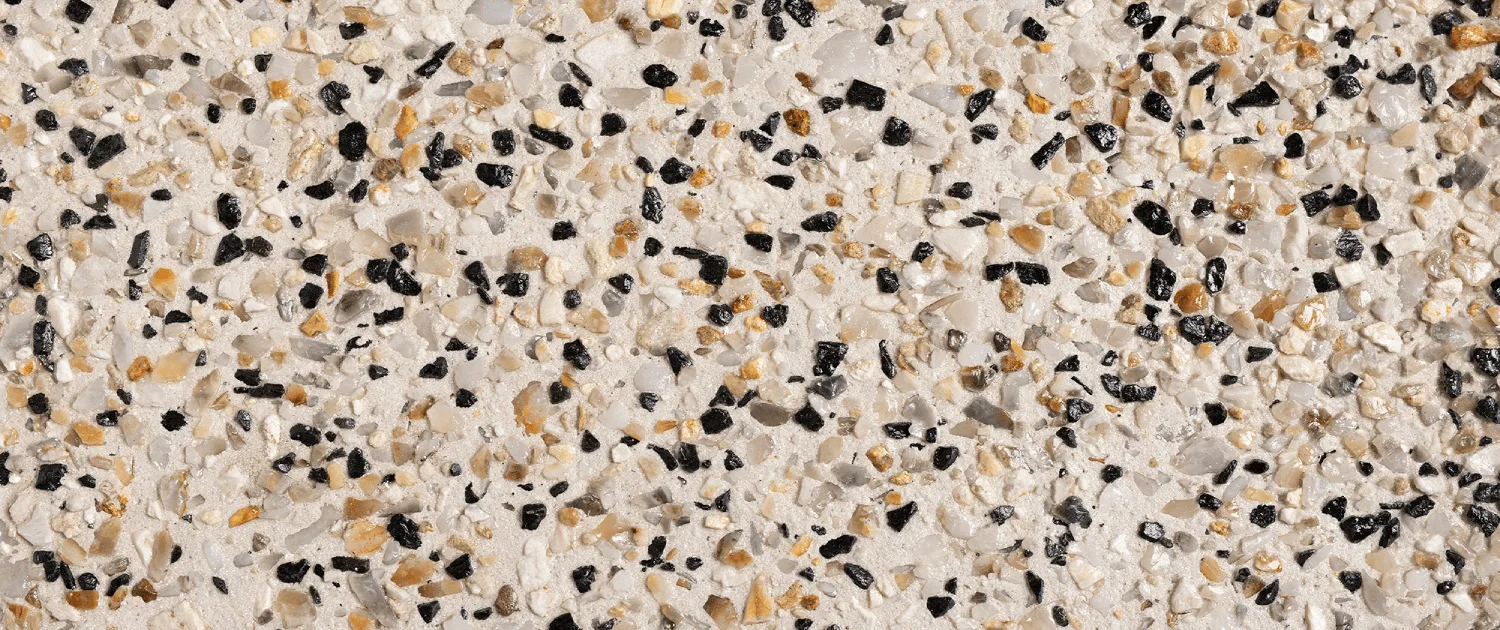
Exposed aggregate
A finish where the top layer of cement paste is removed to reveal the stone in the mix.
Expansion (isolation) joint
A flexible joint that separates a slab from walls, pits or other slabs so they can move independently.
Float finish
A smooth but slightly textured surface made with a float, between broom and trowel.
Formwork
The timber or steel edging that holds wet concrete in shape until it sets.
Mesh (e.g. SL72, SL82)
Welded steel reinforcing fabric. The number indicates the bar size and spacing — higher numbers are heavier.
N-grade (N20, N25, N32)
Normal-class concrete grades; the number is the target compressive strength in megapascals (MPa) at 28 days.
Oxide pigment
Iron-oxide colour added to the concrete mix or surface to colour it.
Plastic shrinkage cracking
Fine cracks that form when the surface dries too quickly in the first hours, often in hot or windy weather.
Release agent
A powder or liquid used with stamped concrete so the mats do not stick; it also adds antique tone.
Screed
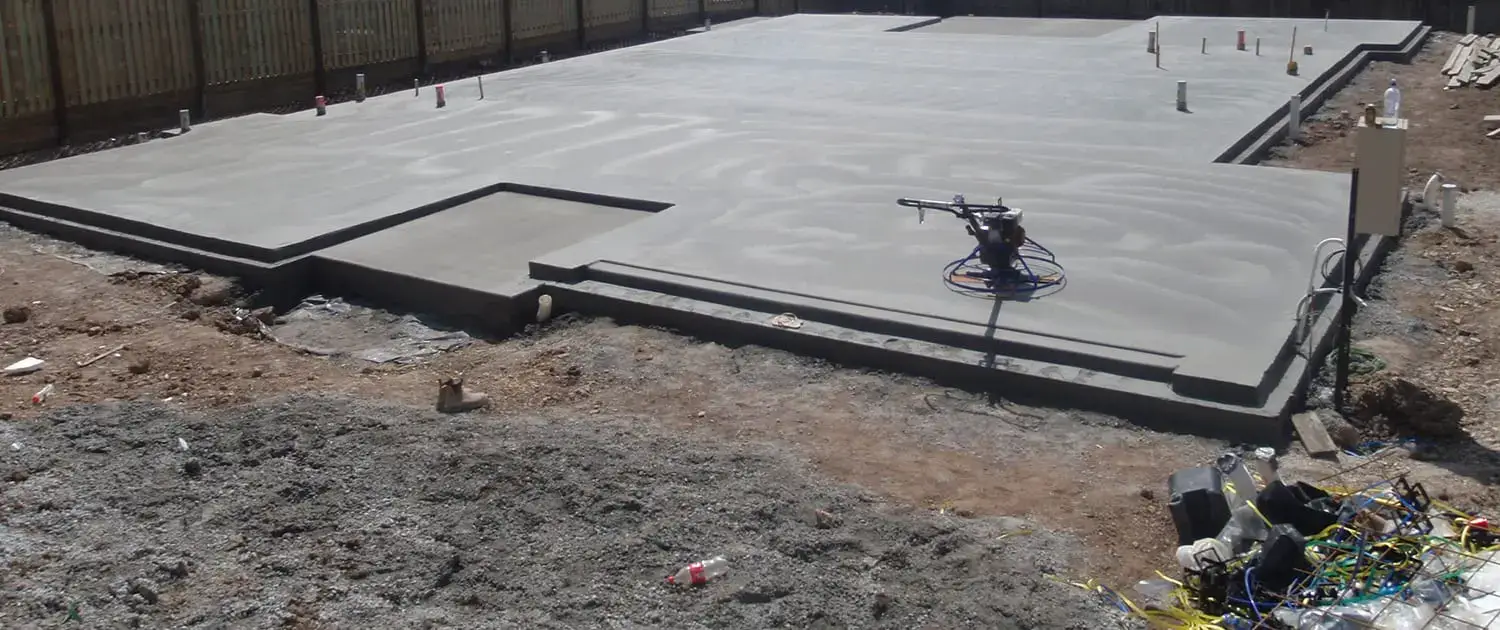
Levelling fresh concrete to the correct height and fall with a straight edge.
Sealer
A clear coating that protects the surface from stains, wear and weather.
Site classification
The soil reactivity class (A, S, M, H1, H2, E, P) under AS 2870 that guides footing and slab design.
Slump
A measure of how wet and workable the concrete mix is.
Spalling
Flaking or breaking away of the concrete surface.
Stamped concrete
Concrete pressed with textured mats to imitate stone, slate, tile or timber.
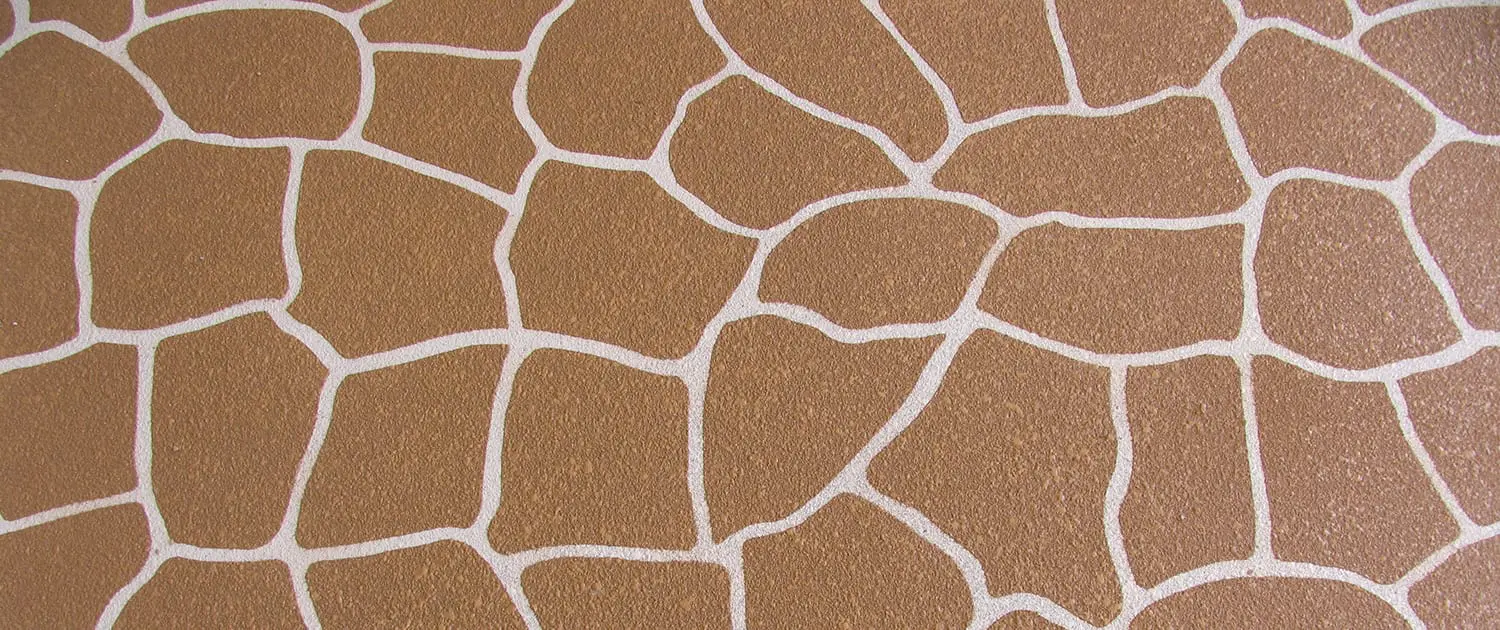
Stencil concrete
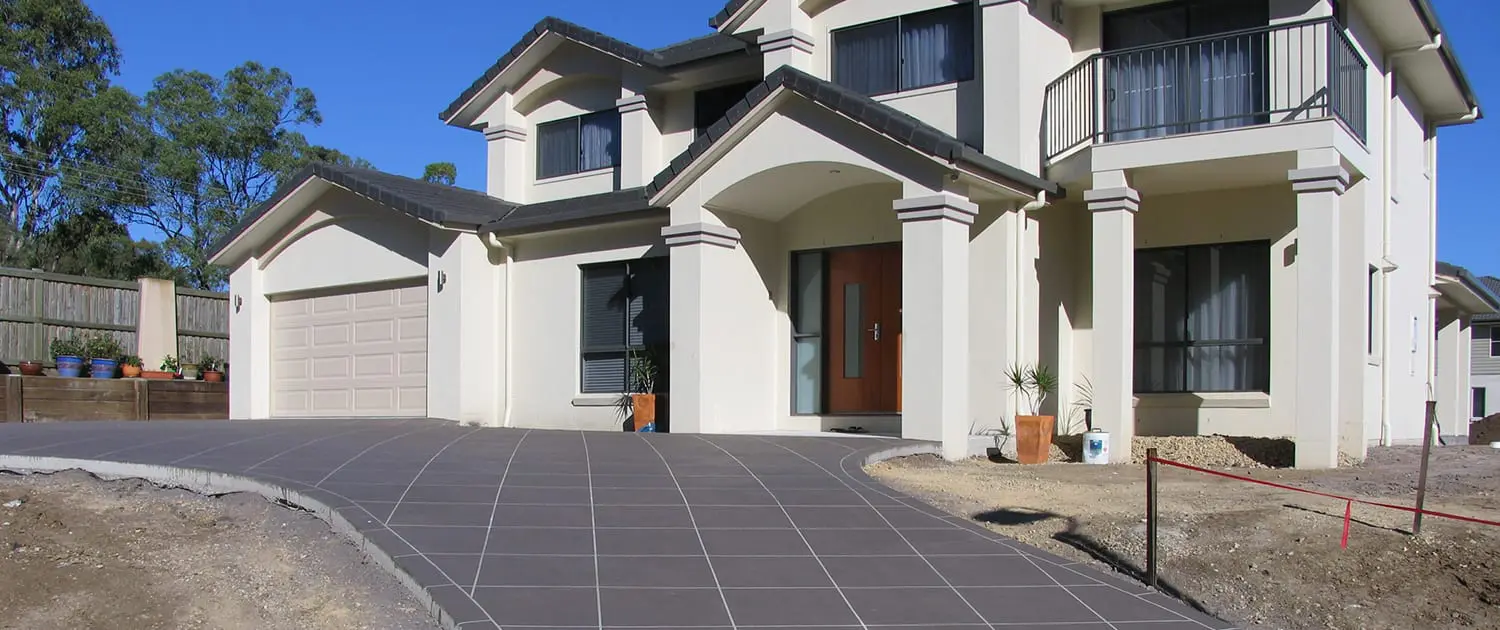
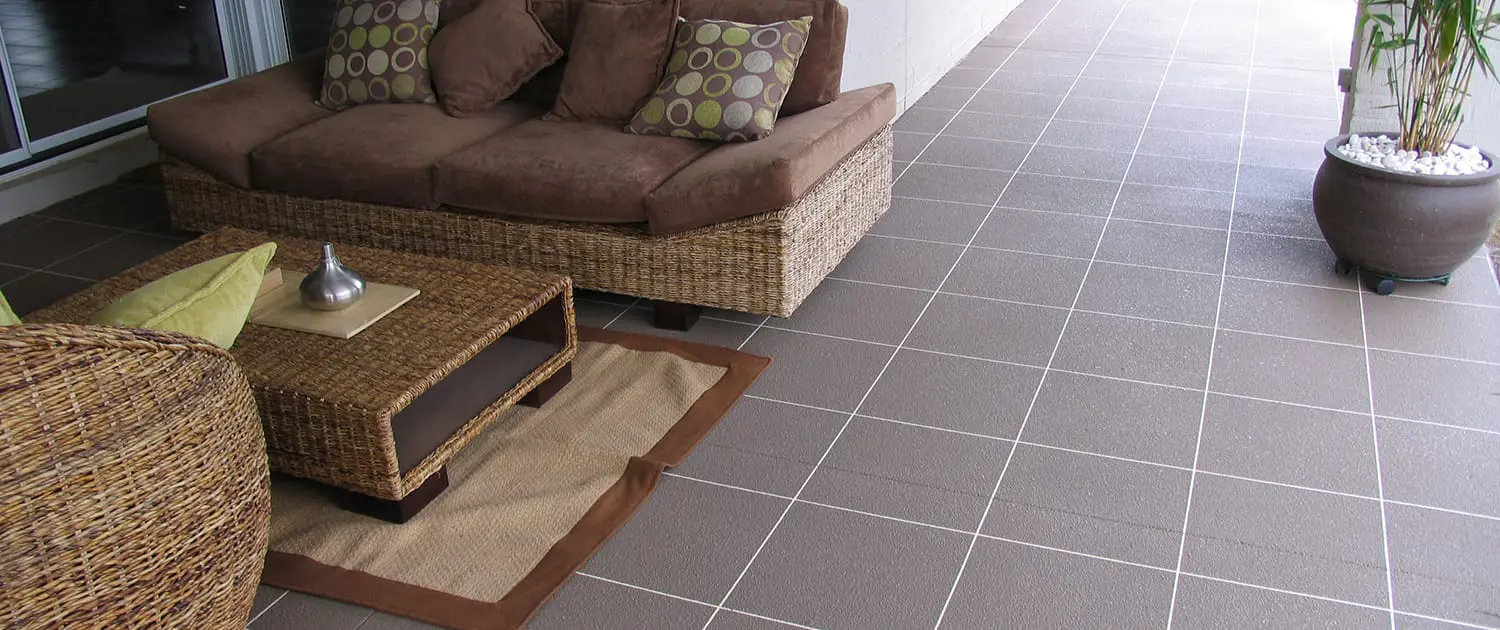
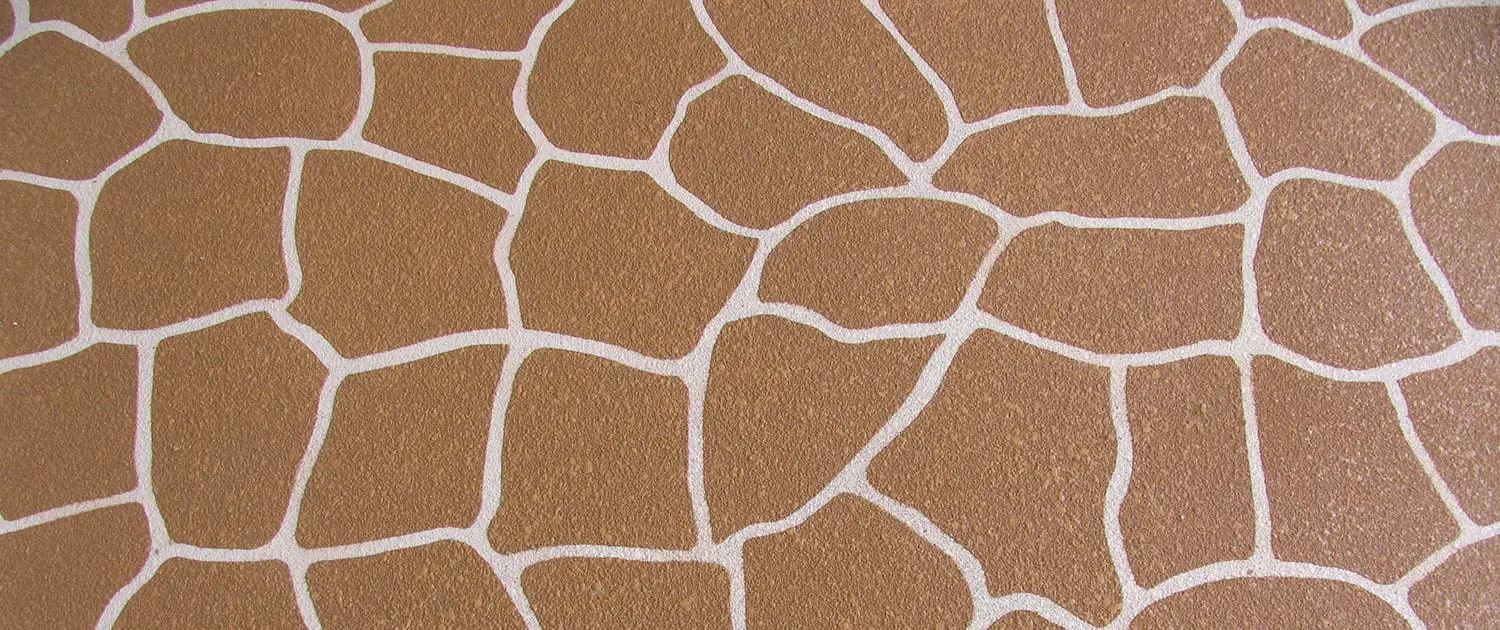
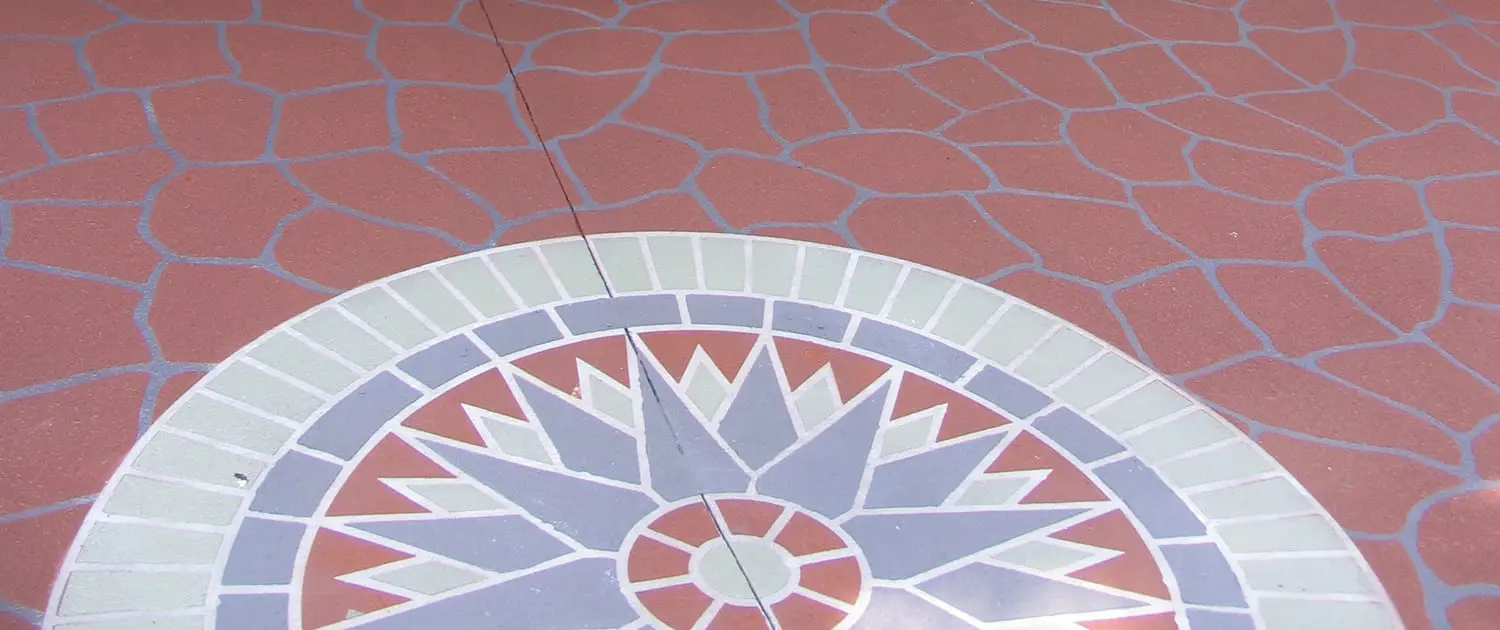
Concrete coloured over a paper pattern that leaves lines like grout between pavers or tiles.
Vapour barrier
A plastic membrane under a slab that stops ground moisture rising into it.
Waffle pod slab
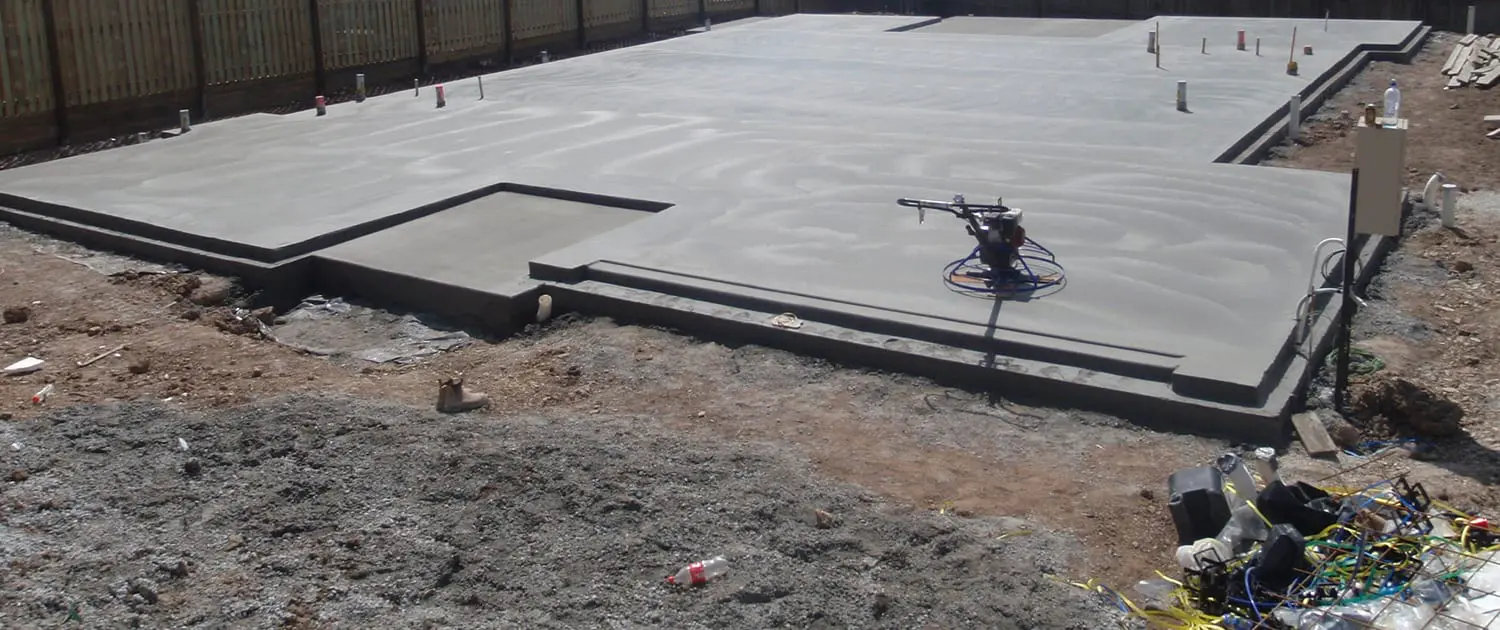
A house slab built on polystyrene pods, creating a grid of ribs that reduces concrete use.
About this guide
Written by the Sunshine Coast Concrete Services crew, led by owner Nathan Carter (20+ years in concreting), from work on Sunshine Coast driveways, slabs and resurfacing jobs. Reviewed October 2026. Figures are general field guidance; where a slab is structural, your engineer’s design takes precedence.
Sources and standards
Free quote
Questions about your quote? Ask us
On-site quotes are free anywhere on the Sunshine Coast. Call and you will get a concreter, not a call centre.