

Guide · Updated October 2026
Stamped vs stencil concrete
Both make one continuous slab look laid. They get there in different ways, and that changes how they feel, clean and wear.
In short
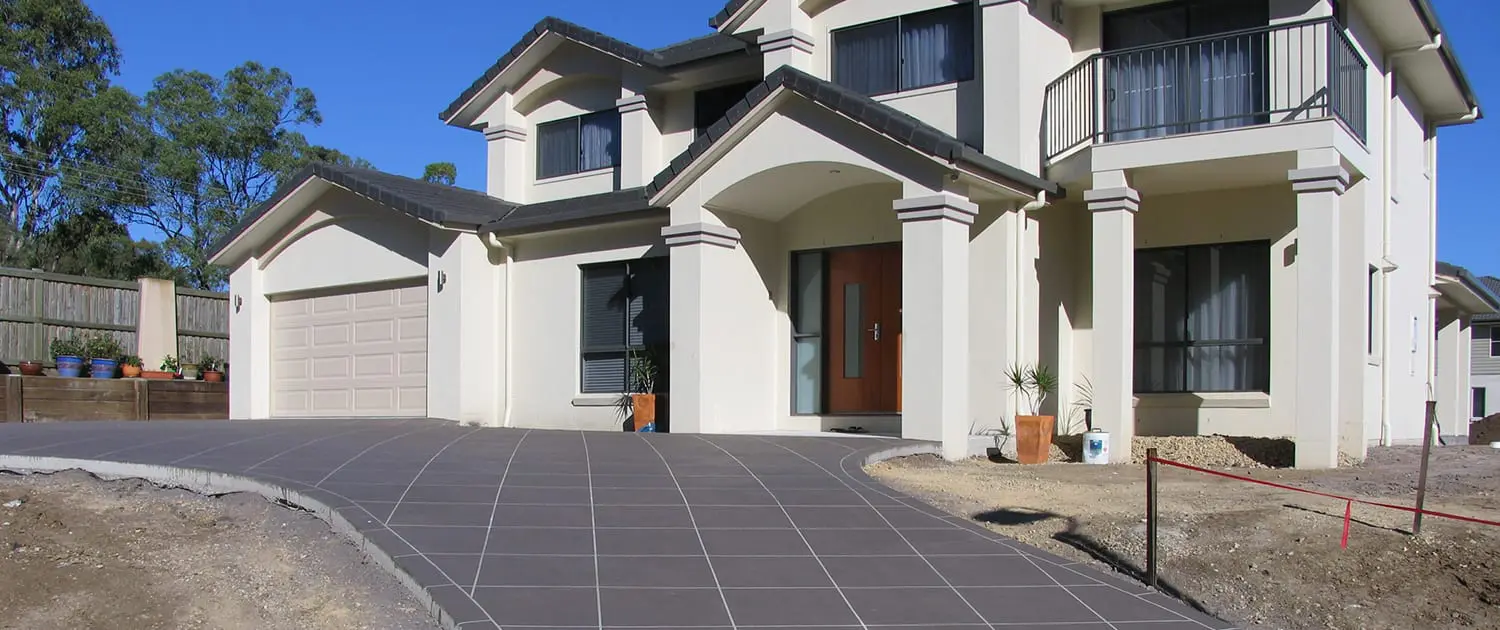
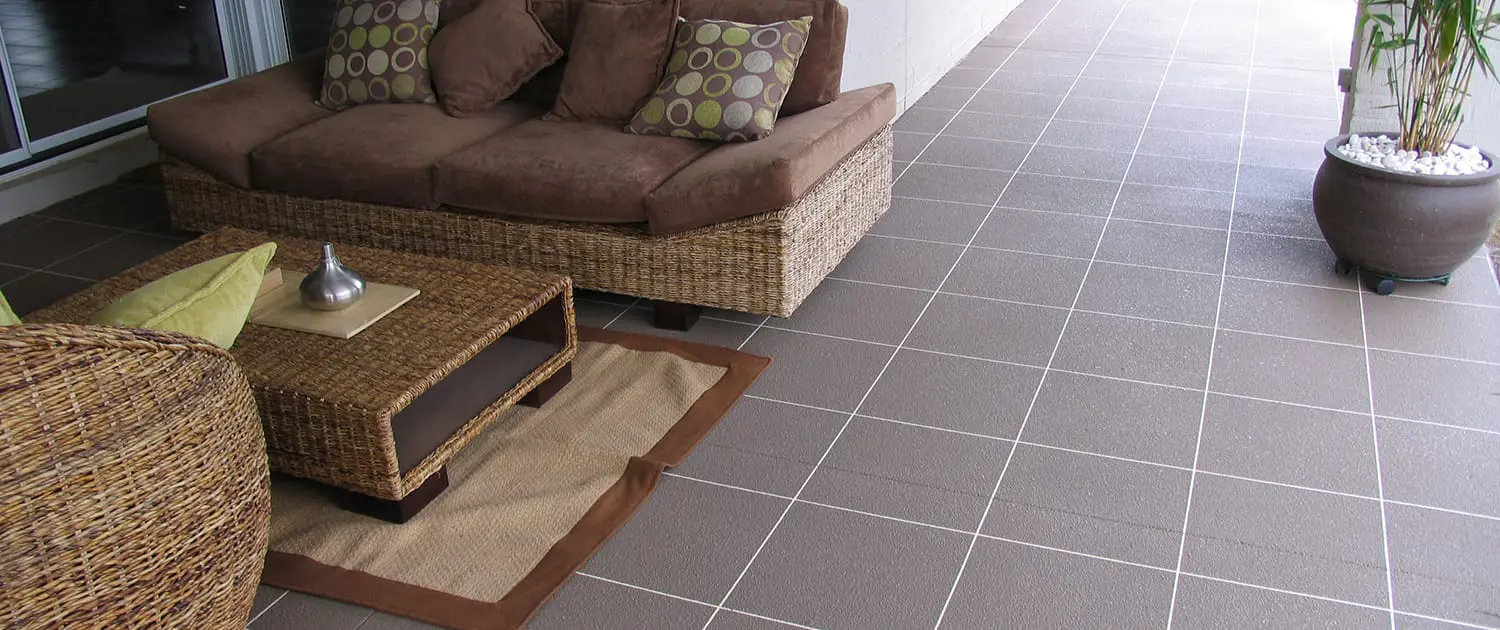
Stencil concrete uses a paper pattern and colour hardener on fresh concrete to leave flat grout lines that look like pavers, brick or tile. Stamped concrete presses textured mats into the surface to imitate stone, slate or timber. Stencil is smoother and easier to sweep; stamped has more texture and depth. Both are sealed, and both need re-sealing every two to five years.
Related: stencil concrete · stamped concrete · all five finishes
Side by side
| Stencil | Stamped | |
|---|---|---|
| How it is made | Paper stencil laid on fresh concrete, colour hardener broadcast and trowelled in, stencil lifted | Colour hardener applied, then textured mats pressed into the surface while it is still plastic |
| Surface | Flat between grout lines | Textured and profiled across the whole surface |
| Looks like | Pavers, brick, tile, cobblestone | Natural stone, slate, flagstone, timber |
| Grip when wet | Relies on the sealer — specify a non-slip additive | Texture adds grip; a non-slip additive still helps |
| Cleaning | Easy to sweep and hose | Dirt sits in the texture; hose or pressure-clean |
| Re-sealing | Every 2–5 years | Every 2–5 years |
| Over existing concrete? | Yes, as part of resurfacing over sound concrete | Needs a fresh pour or a thick stampable overlay |
| Relative cost | Above plain and coloured concrete | Above plain and coloured concrete; depends on pattern and area |
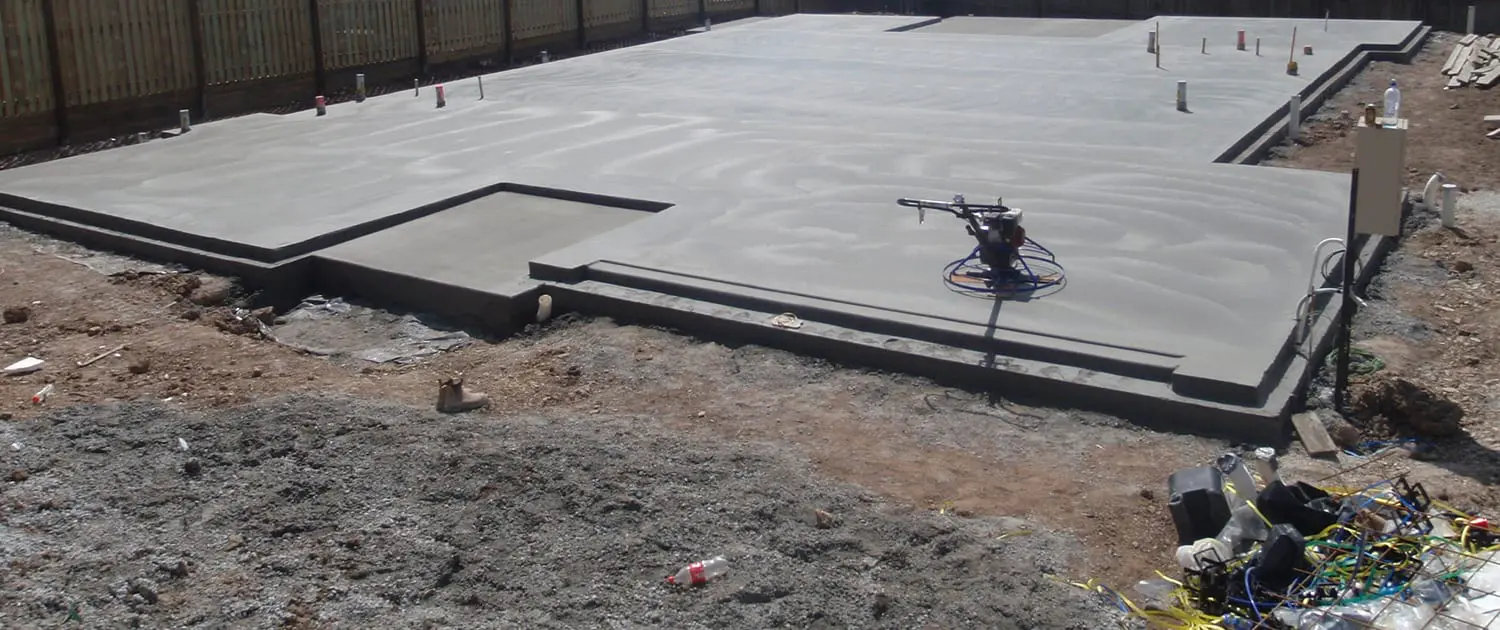
Both finishes sit on an ordinary reinforced slab, so the structure underneath is the same. Prices depend on area, access and pattern — we quote both side by side on site.
Choosing between them
How stencil concrete is made
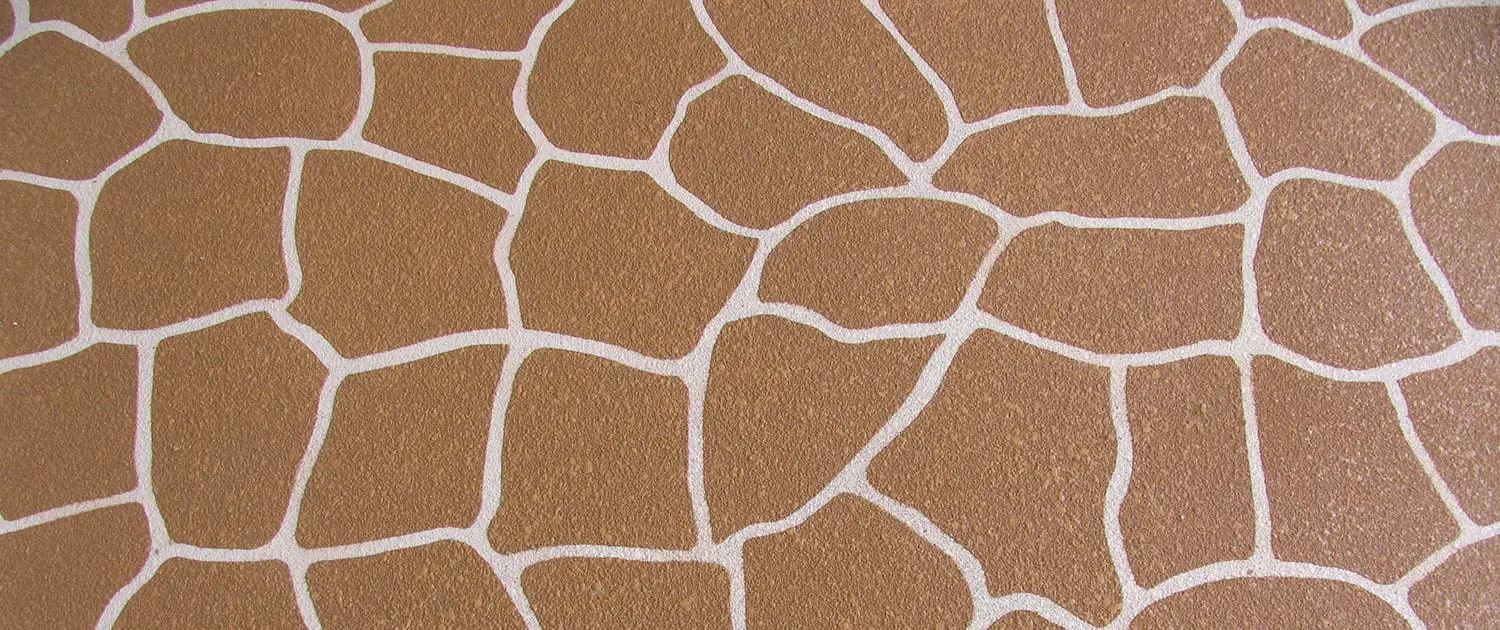
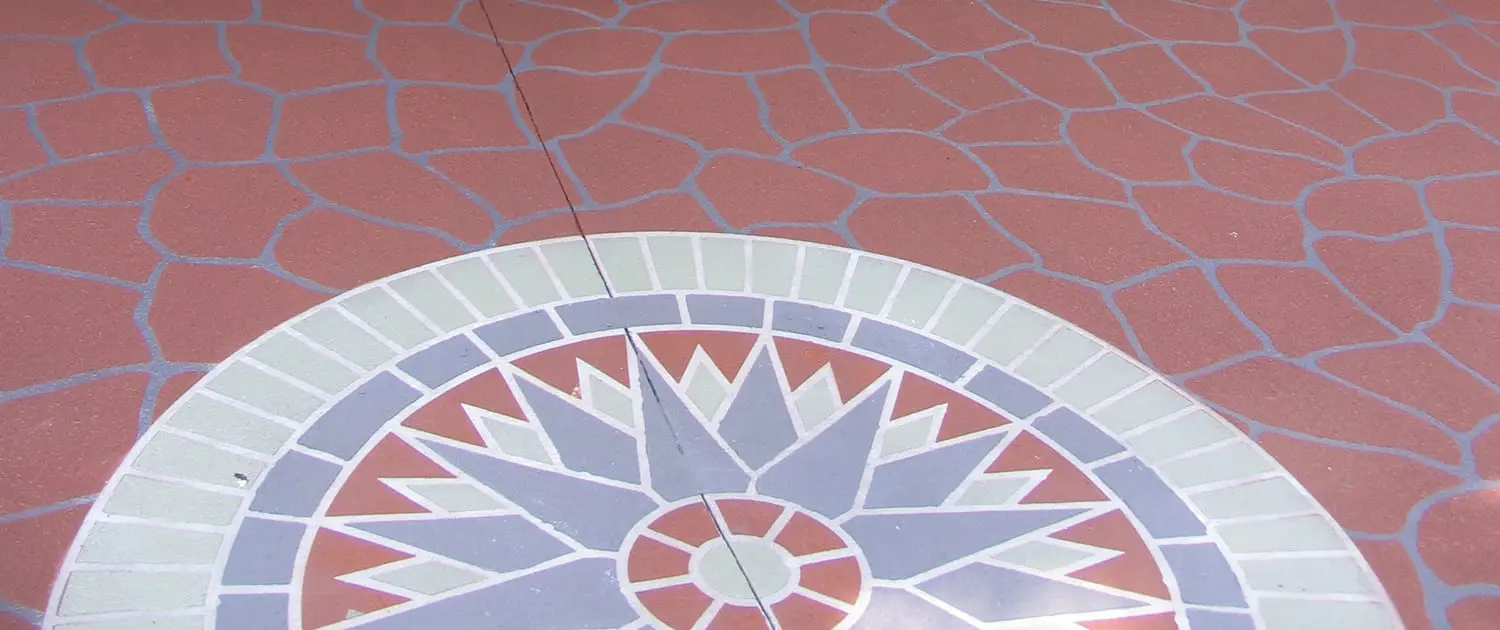
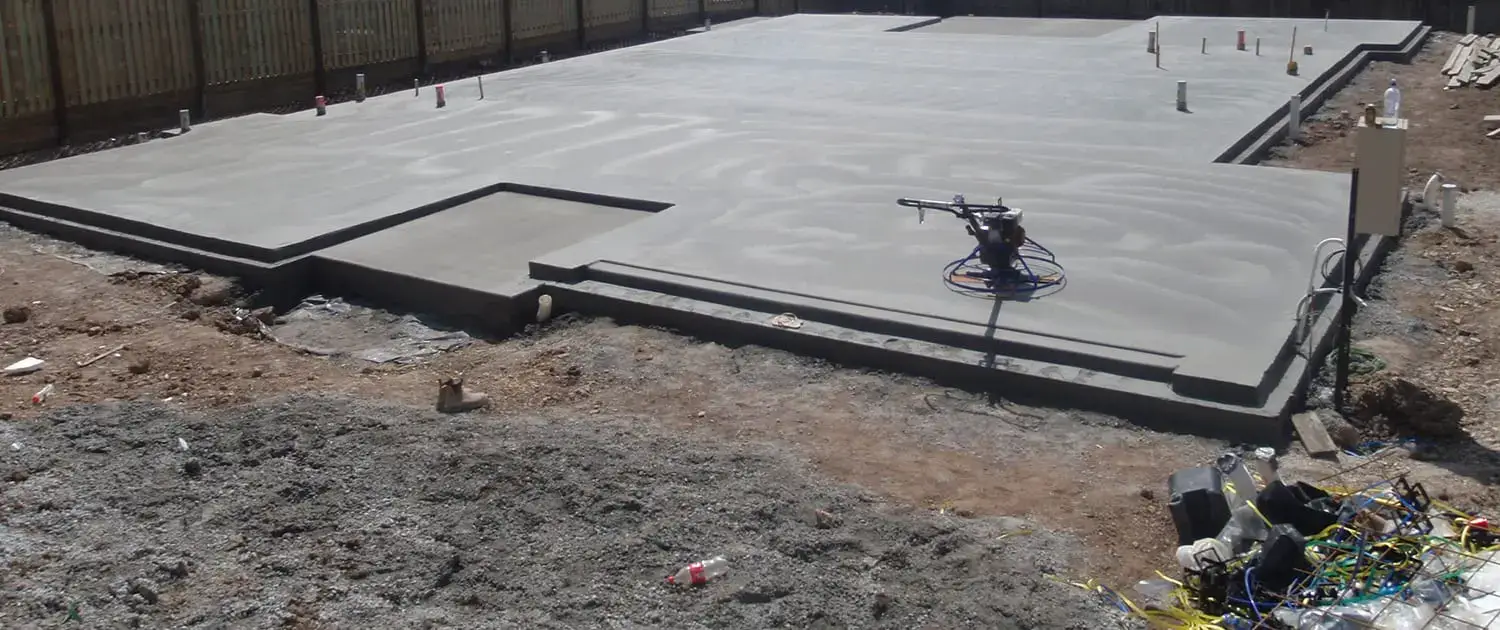
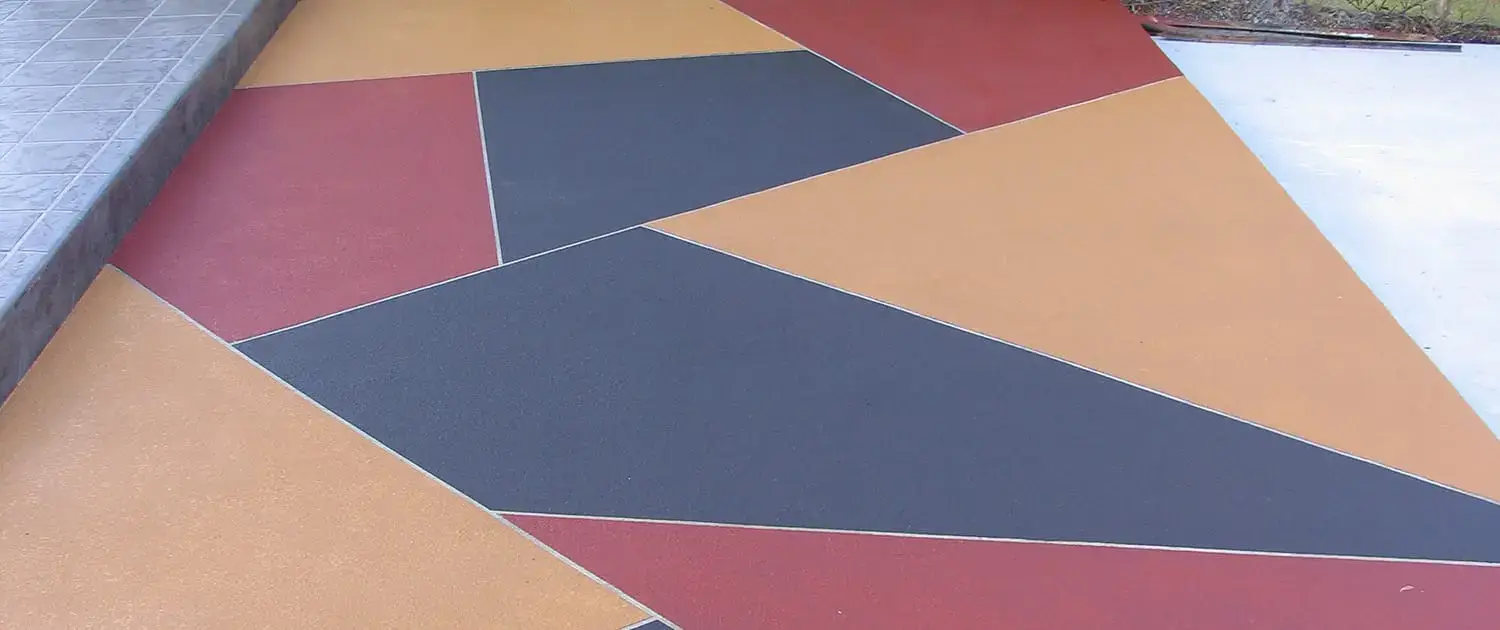
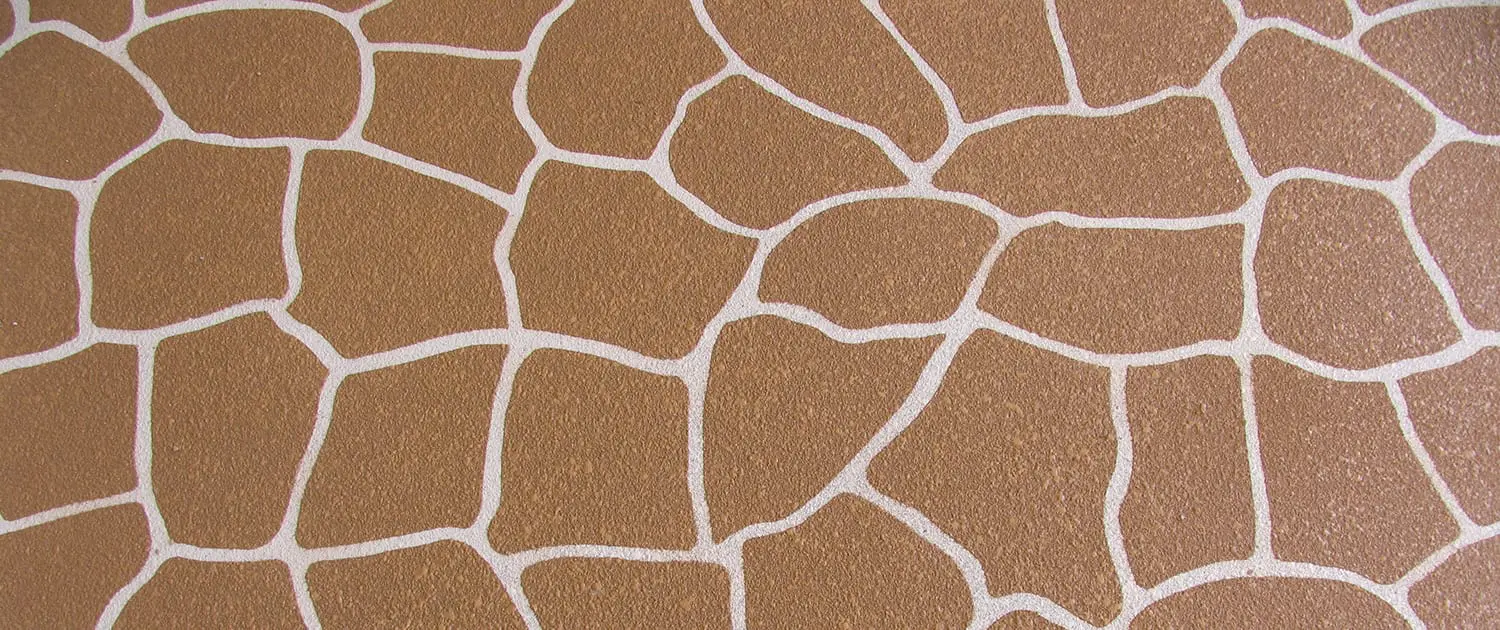
The slab is poured and screeded as normal. While it is still workable, a paper stencil is rolled onto the surface, coloured hardener is broadcast over it and trowelled in, and the stencil is peeled away to leave uncoloured lines. Those lines read as grout joints between pavers or tiles. The surface is then cured and sealed.
Because there are no separate units, nothing can lift, rock or sink, and weeds have no joints to grow through. See how a stencil finish works and the patterns we lay.
How stamped concrete is made
Coloured hardener goes on the fresh slab first, then a release agent, which stops the mats sticking and leaves an antique tone in the low points. Flexible textured mats are pressed into the surface across the whole area, joined so the pattern continues without a visible seam. Once cured, the release agent is washed off and the surface is sealed.
Timing matters more with stamped than stencil: the concrete has to be firm enough to hold the texture but soft enough to take it, which is why stamped work suits experienced crews.
Which to choose for a driveway
Both work on driveways. Stencil gives a cleaner, tiled or paved look that suits modern homes and is easier to keep clean under cars. Stamped gives a more natural stone feel and hides tyre marks and wear well because the texture breaks up the surface. Compare them against the other options in finishes compared.
Which to choose around a pool
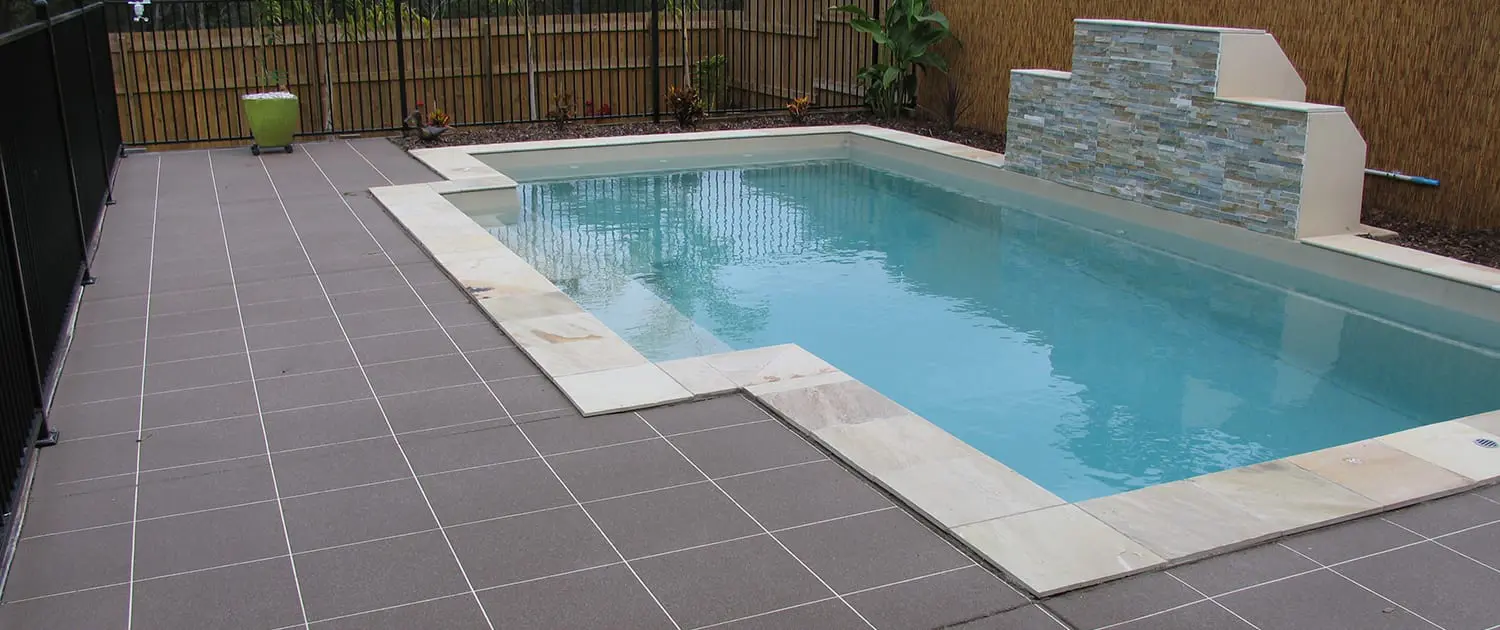
Grip comes first in wet, barefoot areas. Stamped texture helps underfoot; stencil relies on the sealer, so ask for a non-slip additive either way. Many pool owners choose exposed aggregate instead because the stone itself provides the grip. See pool surrounds.
Looking after either finish
Hose down regularly, use a mild detergent for marks, and re-seal every two to five years — sooner in full sun or under heavy traffic. The sealing guide covers the signs a sealer has worn out.
About this guide
Written by the Sunshine Coast Concrete Services crew, led by owner Nathan Carter (20+ years in concreting), from work on Sunshine Coast driveways, slabs and resurfacing jobs. Reviewed October 2026. Figures are general field guidance; where a slab is structural, your engineer’s design takes precedence.
Free quote
See stencil and stamped samples on site
On-site quotes are free anywhere on the Sunshine Coast. Call and you will get a concreter, not a call centre.