

Guide · Updated October 2026
Resurface or replace?
Resurfacing is the better-value option when the slab underneath is sound. When it is not, a new surface only hides the problem for a while.
In short
Resurface concrete when the slab is structurally sound: level, draining properly, and with only fine or stable cracks. Replace it when sections have sunk or lifted, cracks are wide, displaced or still growing, water ponds against the house, or the slab is breaking up. Resurfacing renews the surface; it cannot fix a failing base.
Related: concrete resurfacing · why concrete cracks · new driveways
Condition by condition
| What you see | Resurface? | Replace? |
|---|---|---|
| Fine hairline cracks under about 0.3 mm | Yes — cracks are filled and hidden in the pattern | No need |
| Wide, displaced or growing cracks | No — the coating will crack too | Yes, or repair the cause first |
| Sunken or lifted sections | No | Yes |
| Water ponding or falling towards the house | No | Yes — re-pour to the correct fall |
| Worn, stained or dated surface | Yes — the ideal case | No need |
| Flaking or spalling surface | Often, after the loose layer is ground back and repaired | If it is widespread and deep |
| Tree-root lift | No | Yes, with the root dealt with |
Crack widths are a field guide — see why concrete cracks for what each width usually means.
How we decide on site
The five checks
1. Cracks: width, whether the two sides have moved apart vertically, and whether they are still growing. 2. Levels: sunken or lifted panels, trip edges. 3. Drainage: does water run away from the house and off the slab, or sit on it? 4. Surface: is it sound, or flaking and hollow when tapped? 5. Use: will it now carry heavier vehicles than it was built for?
If the slab passes all five, it is a resurfacing candidate. If it fails any of the first three, replacement is usually the honest answer, and we will tell you that at the quote rather than coat over it.
How the cost compares
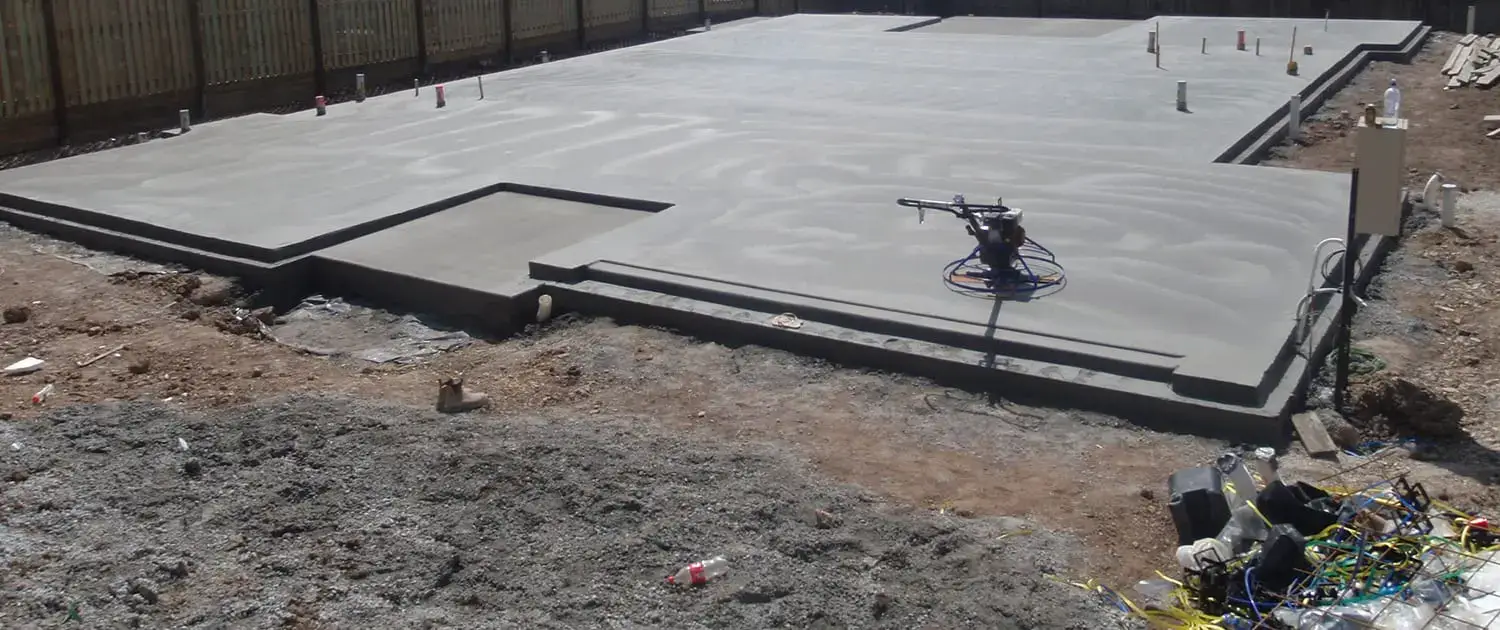
Resurfacing usually costs less than replacing because there is no demolition, disposal, excavation or new concrete. It also takes less time on site and you can use the area sooner. Replacement costs more but resets the clock on the structure, the levels and the drainage. We price both options when a slab is borderline.
How long resurfacing lasts
A resurfaced slab lasts as long as the slab underneath and the preparation allow. The decorative coat itself is protected by sealer, which needs renewing every two to five years depending on sun and traffic. See the sealing guide.
What resurfacing can look like
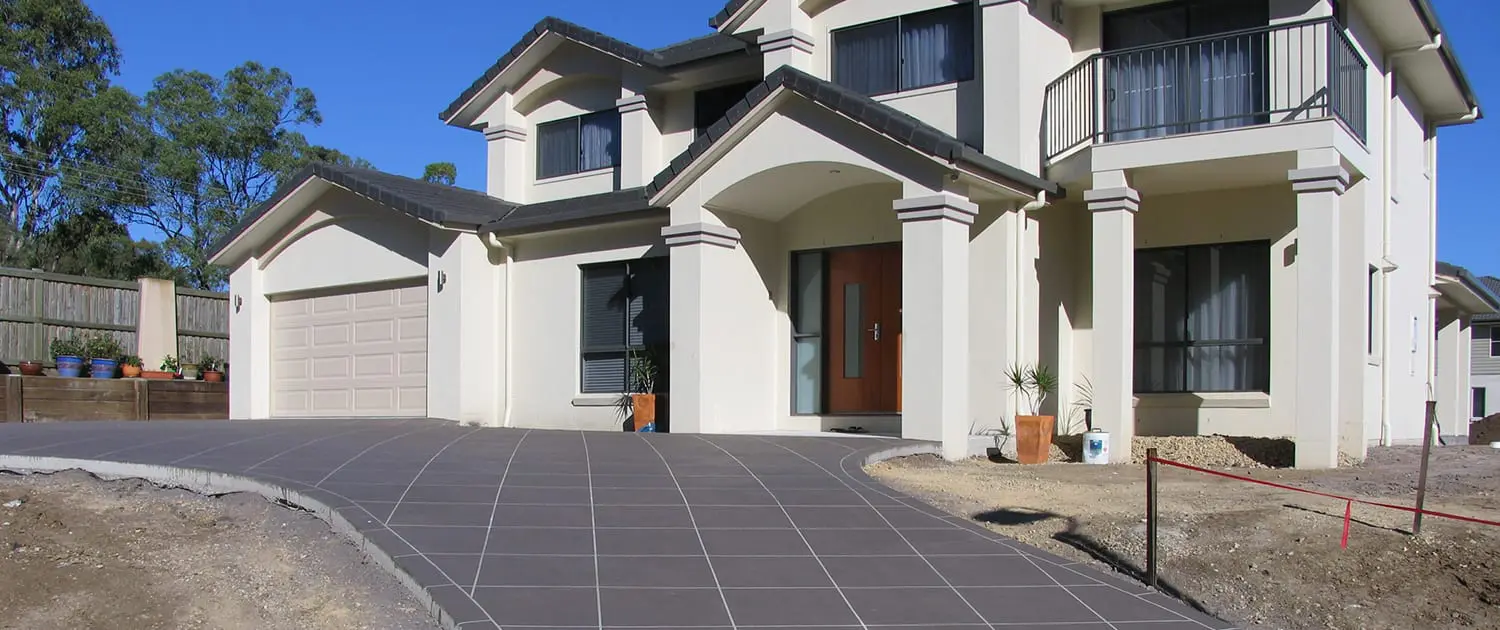
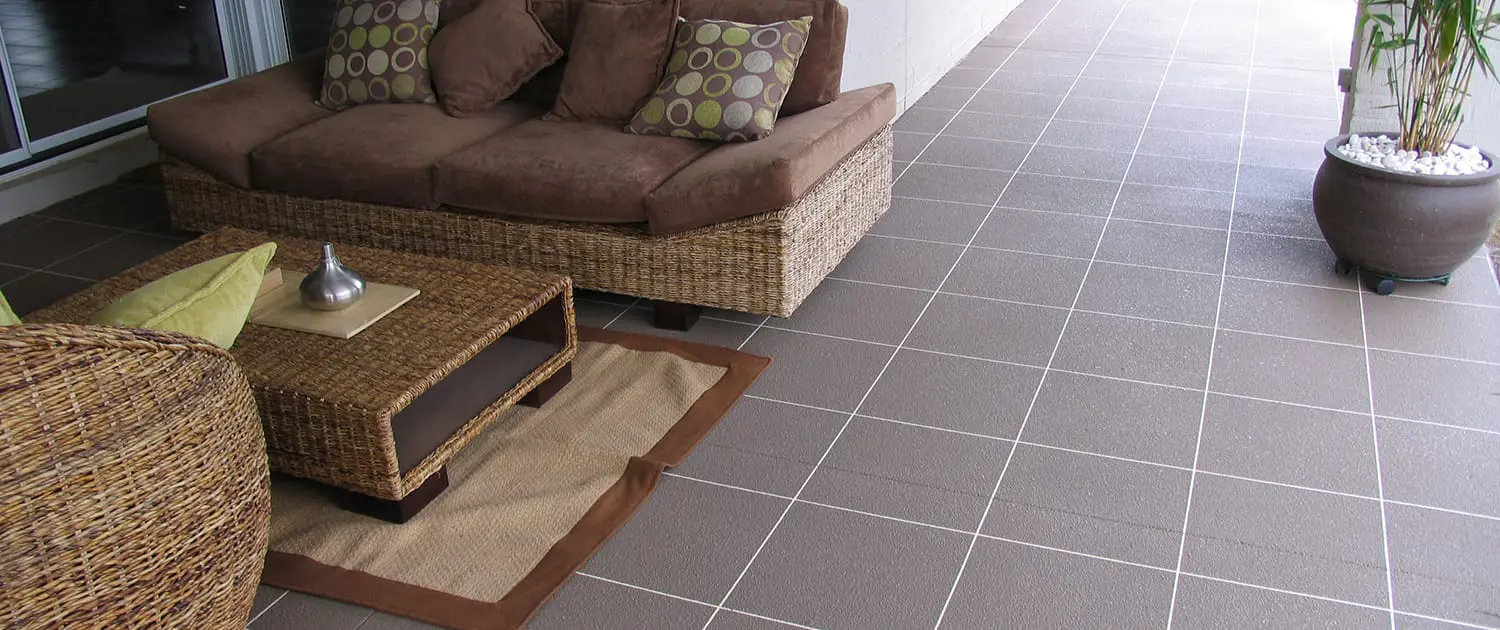
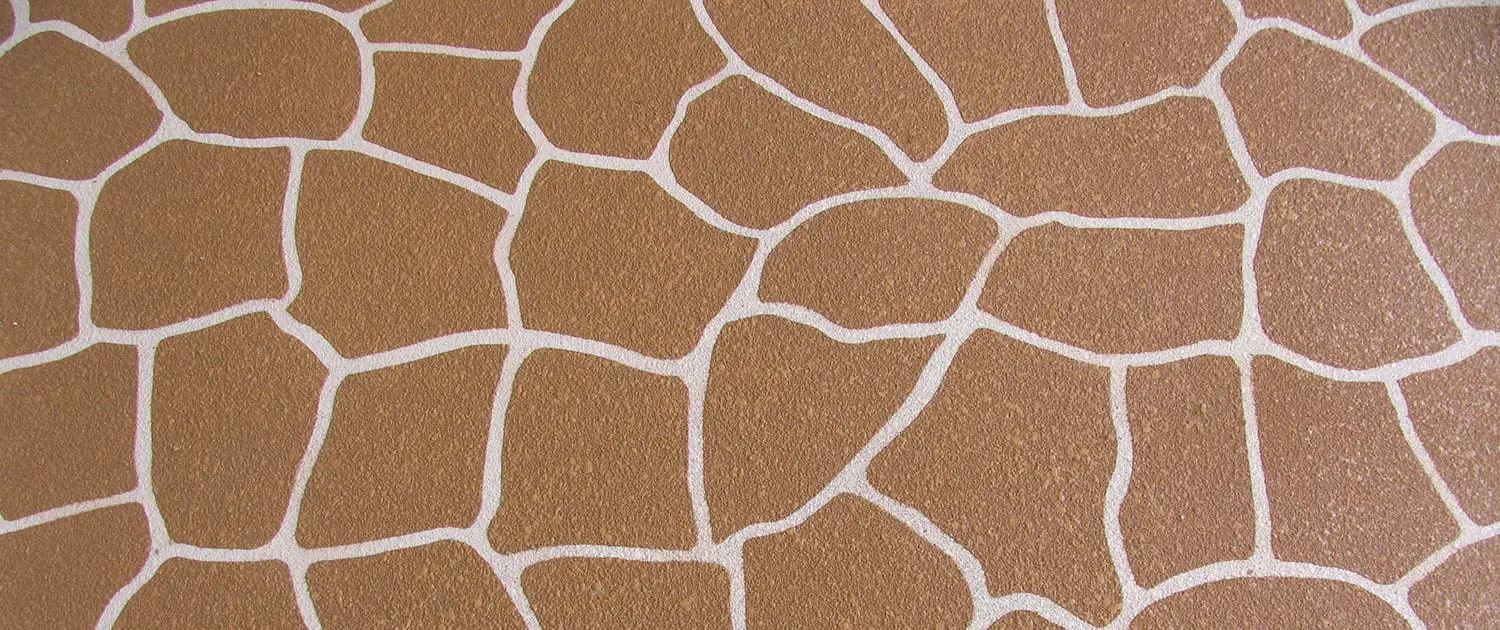
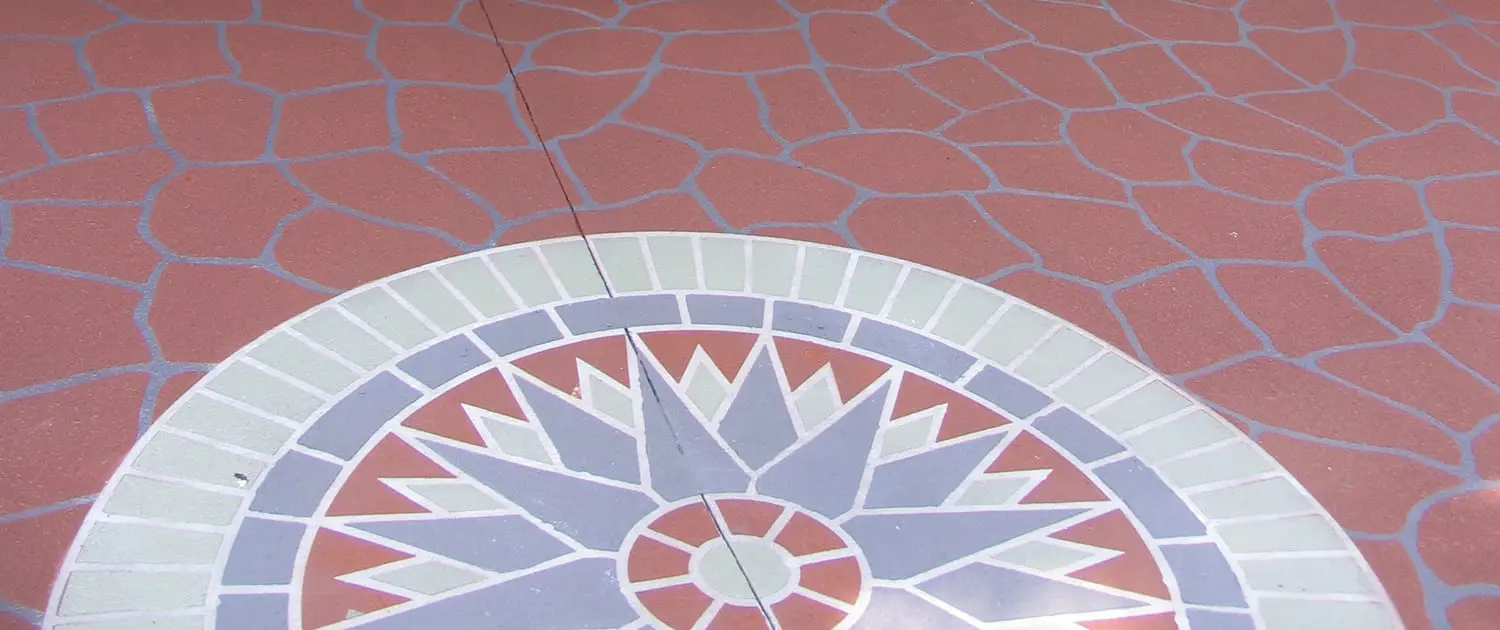
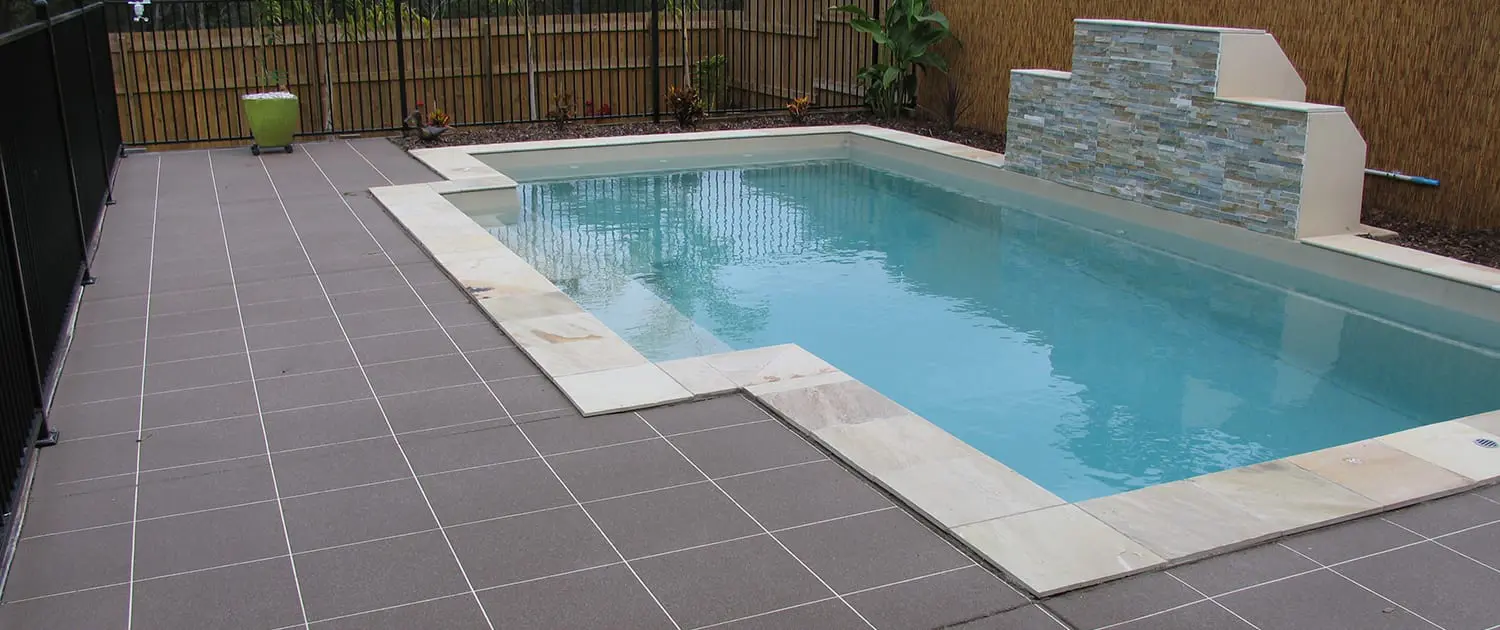
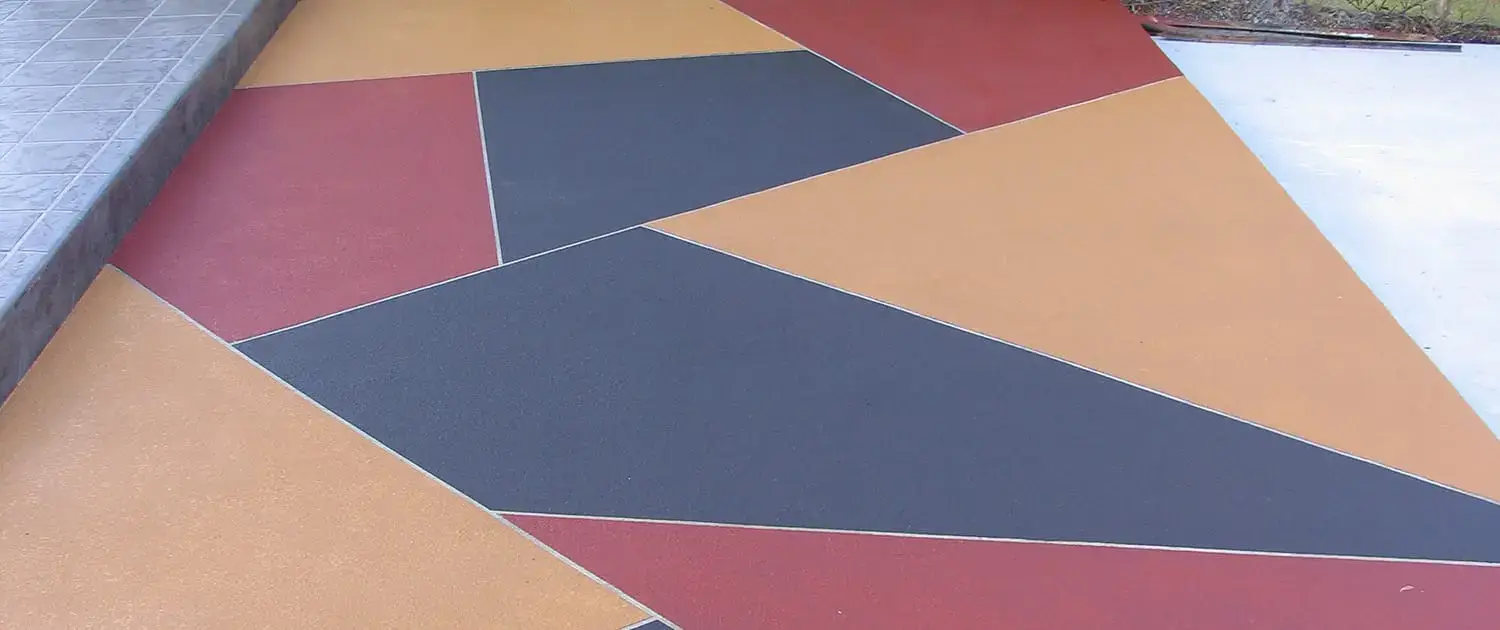
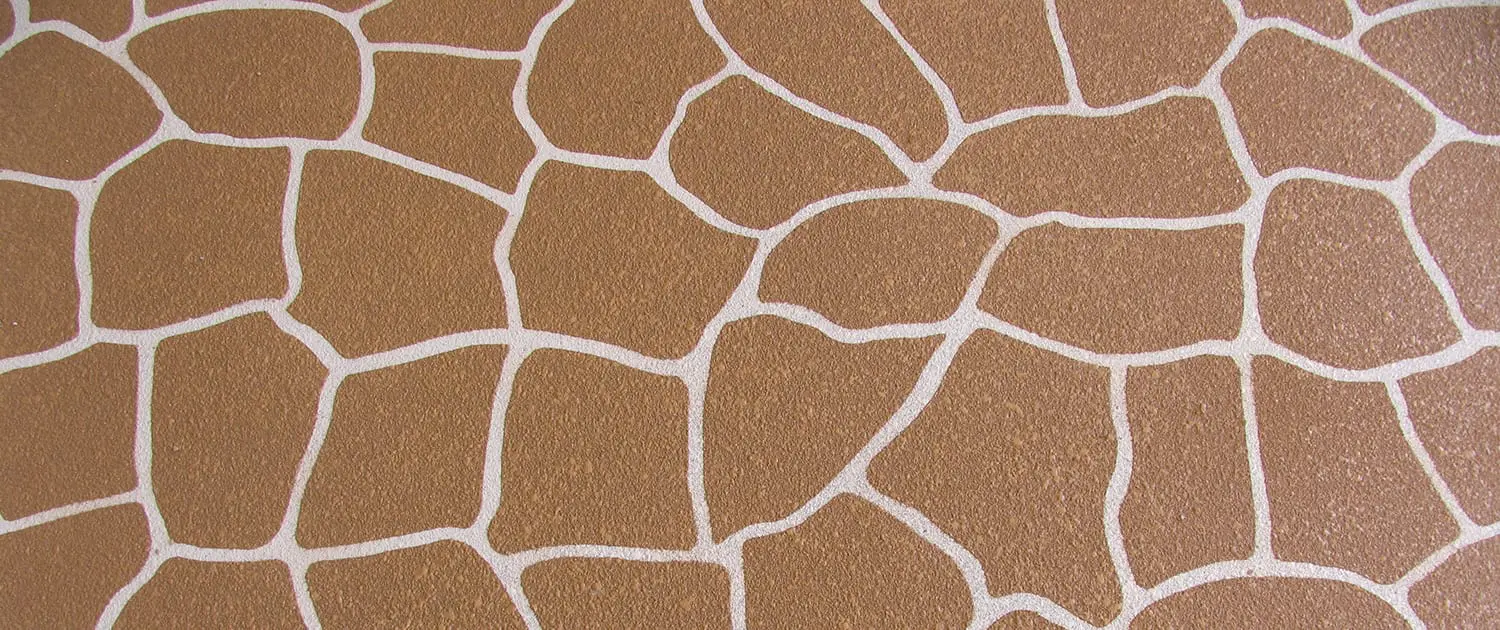
Most resurfacing jobs use a coloured coat with a stencil pattern — tile, ashlar, cobblestone or flagstone — because the pattern absorbs old cracks and joins. See stencil finishes and our resurfacing service.
About this guide
Written by the Sunshine Coast Concrete Services crew, led by owner Nathan Carter (20+ years in concreting), from work on Sunshine Coast driveways, slabs and resurfacing jobs. Reviewed October 2026. Figures are general field guidance; where a slab is structural, your engineer’s design takes precedence.
Free quote
Get your slab assessed, free
On-site quotes are free anywhere on the Sunshine Coast. Call and you will get a concreter, not a call centre.